
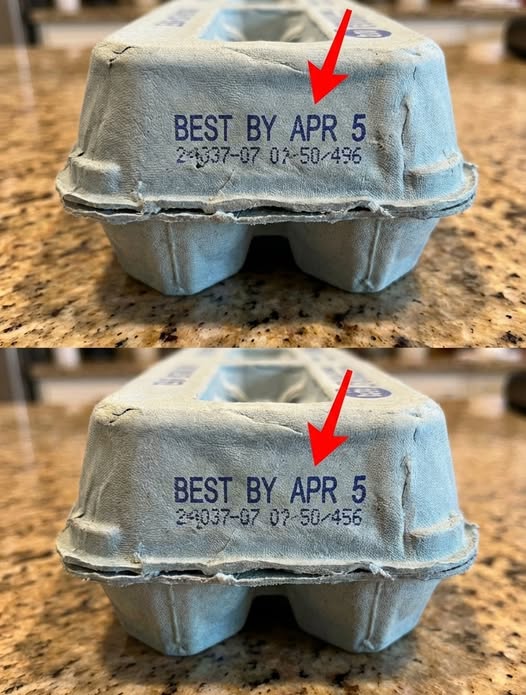
When it comes to grocery shopping, there are certain items that seem deceptively simple—eggs, for instance. You pick them up, toss them in your cart, and go about your day. But what happens when you start looking closer at the labels and numbers on those cartons? For most of us, it’s just a jumble of letters and digits that don’t make much sense. I’m guilty of it too. A few years back, I made a quiche for a dinner party that ended in disaster. While the guests didn’t require medical attention, I’m pretty sure everyone felt nauseous and uncomfortable. And yes, I was the one who made the dinner. The cause? Eggs. But here’s the twist—there was nothing wrong with the eggs. They weren’t expired, didn’t smell, and looked perfectly fine. So, what went wrong?
Well, it turns out that those little numbers printed on the side of the egg carton have a lot more significance than I’d ever realized. What I thought was just some random code turned out to be a critical piece of information. It could have saved me (and my guests) from an uncomfortable dinner. So let’s dive deep into what these numbers mean, what they’re telling you about your eggs, and why it matters for both your cooking and your health.
The Mystery of the Julian Date: Eggs Have Birthdays Too
First off, let’s talk about the mysterious number that’s often printed on your egg carton—the Julian date. This is the date the eggs were packed, not the sell-by or expiration date. Julian dates are three-digit numbers that refer to the day of the year the eggs were packed. For example, “001” represents January 1st, and “365” corresponds to December 31st. So if you’re looking at a carton and see the Julian date marked as “045,” that means your eggs were packed on the 45th day of the year, which happens to be February 14th. If you’re staring at the number “312,” that means your eggs were packed on the 312th day of the year, which would be November 8th.
Why is this important? Because it tells you the actual freshness of the eggs, regardless of what the sell-by date says. The sell-by date is often just a guideline for how long the eggs can sit on the shelf in the store, but it doesn’t necessarily reflect how fresh they are when you buy them. By checking the Julian date, you’ll know exactly when your eggs were packed, which gives you a clearer idea of their age.
I’ve learned to take this advice seriously now. When I’m at the store, I’ll often compare different cartons of eggs, looking at the Julian date printed on the side. I’ve definitely spent some time at the store, scrutinizing cartons like they’re bottles of vintage wine. And yes, people have looked at me strangely, but that’s fine. I’ve learned from experience, and I’ll never make that mistake again.
For Complete Cooking STEPS Please Head On Over To Next Page Or Open button (>) and don’t forget to SHARE with your Facebook friends
ADVERTISEMENT
