
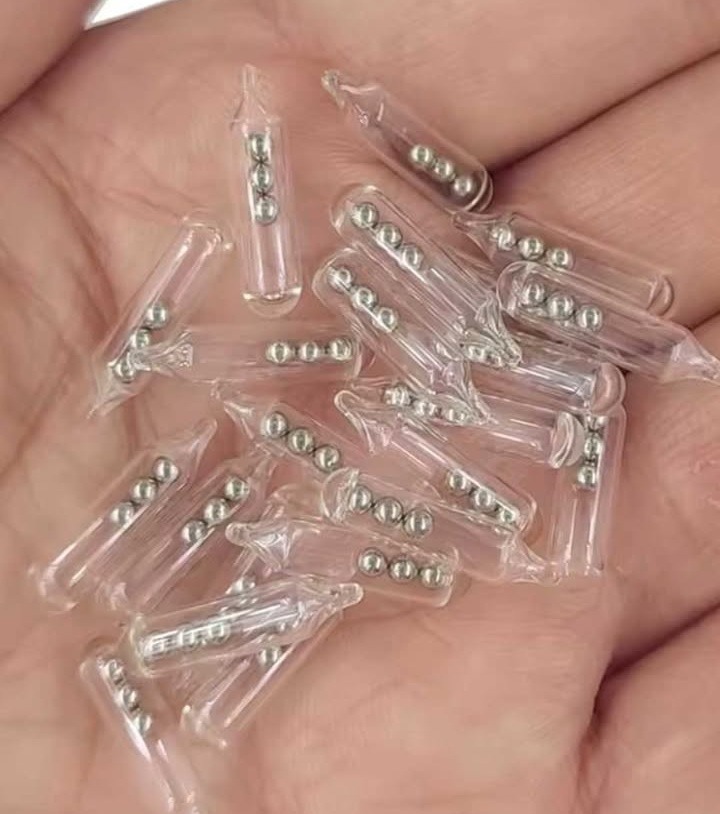
Fish perceive the world differently than we do. While humans rely heavily on sight, many predatory fish hunt using a combination of senses, with the lateral line playing a starring role.
The Lateral Line System
Function
How Rattles Help
Detects vibration
The clicking bearings create low-frequency sound waves
Senses pressure changes
Moving balls shift water pressure around the lure
Locates prey in murky water
Sound travels farther than light in stained or dark water
Triggers instinctual strike
Mimics the distress signals of injured baitfish
🧠 Research note: Studies suggest that adding sound to lures can increase strike rates by up to 30% in low-visibility conditions, though results vary by species and environment.
🛠️ How to Use Glass Rattles Effectively
Finding them is step one. Using them correctly is step two. Here’s how to maximize their potential:
1. Inserting into Hard Baits
Many crankbaits and plugs come with pre-drilled channels.
Locate the hole: Usually on the belly or back of the lure.
Slide it in: Push the tube gently until it sits snug.
Secure it: Some anglers add a drop of super glue to prevent it from falling out during a cast.
2. Adding to Soft Plastics
Some soft baits (like swimbaits) have hollow cavities.
Cut a slit: Make a small incision in the belly of the lure.
Insert the tube: Place it inside the cavity.
Seal it: Use soft plastic glue or melt the opening slightly to close it.
3. Using Pre-Rattled Lures
If handling tiny glass tubes feels fiddly, buy lures with internal rattles.
Shake test: Listen for a clear, crisp click.
Check for looseness: Ensure the rattle isn’t so loud it spooks fish in clear water.
⚖️ Pros & Cons: Are They Worth It?
Like any tackle addition, glass rattles aren’t a magic bullet. Here’s the balanced view:
Pros
Cons
✅ Increases visibility (via sound) in murky water
❌ Can spook fish in crystal-clear, high-pressure waters
✅ Triggers reaction strikes from inactive fish
❌ Glass can break if handled roughly or crushed by fish teeth
✅ Inexpensive (pennies per unit)
❌ Adds weight (minimal, but can affect lure action)
✅ Easy to install in many lure types
❌ Not effective for all species (some prefer silent presentations)
💡 When to Use Them: Stained water, low light (dawn/dusk), heavy cover, or when fish are aggressive.
💡 When to Skip Them: Clear water, heavily pressured fisheries, or when targeting wary fish like trout in streams.
🧤 Safety & Handling Tips
Glass tubes are durable, but they aren’t indestructible.
Safety Tip
Why It Matters
Don’t crush them
Glass can shatter under pliers or teeth
Check for cracks
A cracked tube won’t rattle and may leak bearings
Keep away from kids
Small parts pose a choking hazard
Dispose of broken tubes carefully
Wrap in paper before tossing to prevent injury
Consider acrylic alternatives
Plastic rattles are less likely to break if durability is a concern
⚠️ Note: If a tube breaks inside a lure, remove all glass shards. Fish can ingest them, and broken glass inside a lure can affect its action.
For Complete Cooking STEPS Please Head On Over To Next Page Or Open button (>) and don’t forget to SHARE with your Facebook friends
ADVERTISEMENT
