
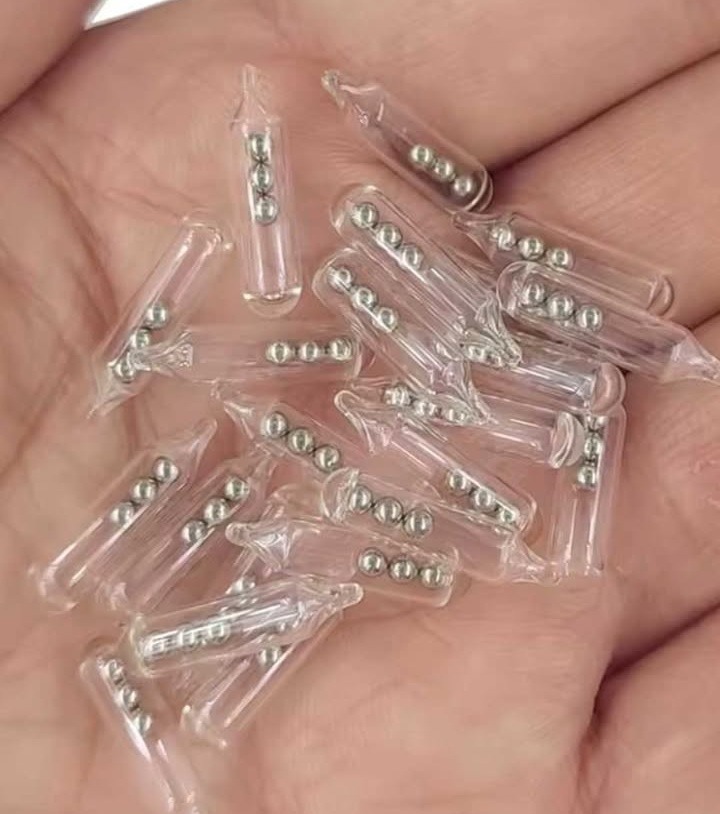
🧰 DIY vs. Store-Bought
Option
Cost
Effort
Durability
Store-Bought Glass
$5–$10 for 50–100 units
Low (ready to use)
Moderate (glass can break)
Store-Bought Acrylic
$5–$10 for 50–100 units
Low
High (plastic is tougher)
DIY (Beads + Tubing)
Very low
High (requires sealing)
Variable (depends on seal quality)
💡 Verdict: For most anglers, store-bought acrylic rattles offer the best balance of sound, durability, and cost. Glass is traditional and offers a slightly sharper sound, but acrylic is more forgiving.
💬 The Old-Timer Was Right
I went back to that same spot the next weekend. Same limp line. Same hot sun. But this time, I slid a tiny glass tube into my favorite crankbait.
Click-click-click.
Within twenty minutes, a largemouth bass hammered that lure. Not a nibble. A smash.
I thought about the old-timer. He didn’t need fancy electronics or hundred-dollar rods. He just knew that sometimes, fish need a little noise to find their way to the hook.
Those tiny glass tubes aren’t just tackle. They’re a reminder that fishing isn’t always about what you see. Sometimes, it’s about what you hear. Sometimes, it’s about making enough noise to get noticed.
So next time you’re digging through your tackle box and find a small bag of mysterious glass tubes—don’t toss them. Don’t ignore them.
Shake them. Listen. And let them do the talking for you.
“The quietest anglers often catch the loudest fish.”
❓ FAQs: Your Questions, Answered
Q: Do glass rattles work in saltwater?
A: Yes! They’re effective for striped bass, redfish, snook, and other saltwater predators that rely on vibration.
Q: How long do they last?
A: Indefinitely, unless broken. Glass doesn’t degrade in water. Check them periodically for cracks.
Q: Can I use them in ice fishing?
A: Absolutely. Sound travels exceptionally well in cold water. They’re great for jigging lures.
Q: Will rattles scare away fish?
A: In clear, heavily pressured water, yes. In murky water or low light, no—they attract more than they repel.
Q: Are there different sizes?
A: Yes. Smaller tubes (8mm) for finesse lures; larger tubes (15mm+) for big swimbaits and crankbaits.
Q: Can I reuse them?
A: Yes. If you change lures, carefully remove the tube and insert it into the new one.
Q: Do professional anglers use them?
A: Many do. They’re a common tool in tournament fishing, especially when conditions are tough.
Have you tried glass rattles before? Did they make a difference in your catch rate? Share your experience below—we’re all learning to make a little more noise in the water, together. 🎣🔊✨
Disclaimer: This article is for educational and recreational purposes only. Always follow local fishing regulations regarding lure modifications. Handle glass components with care to avoid injury. Dispose of broken materials responsibly
ADVERTISEMENT
