
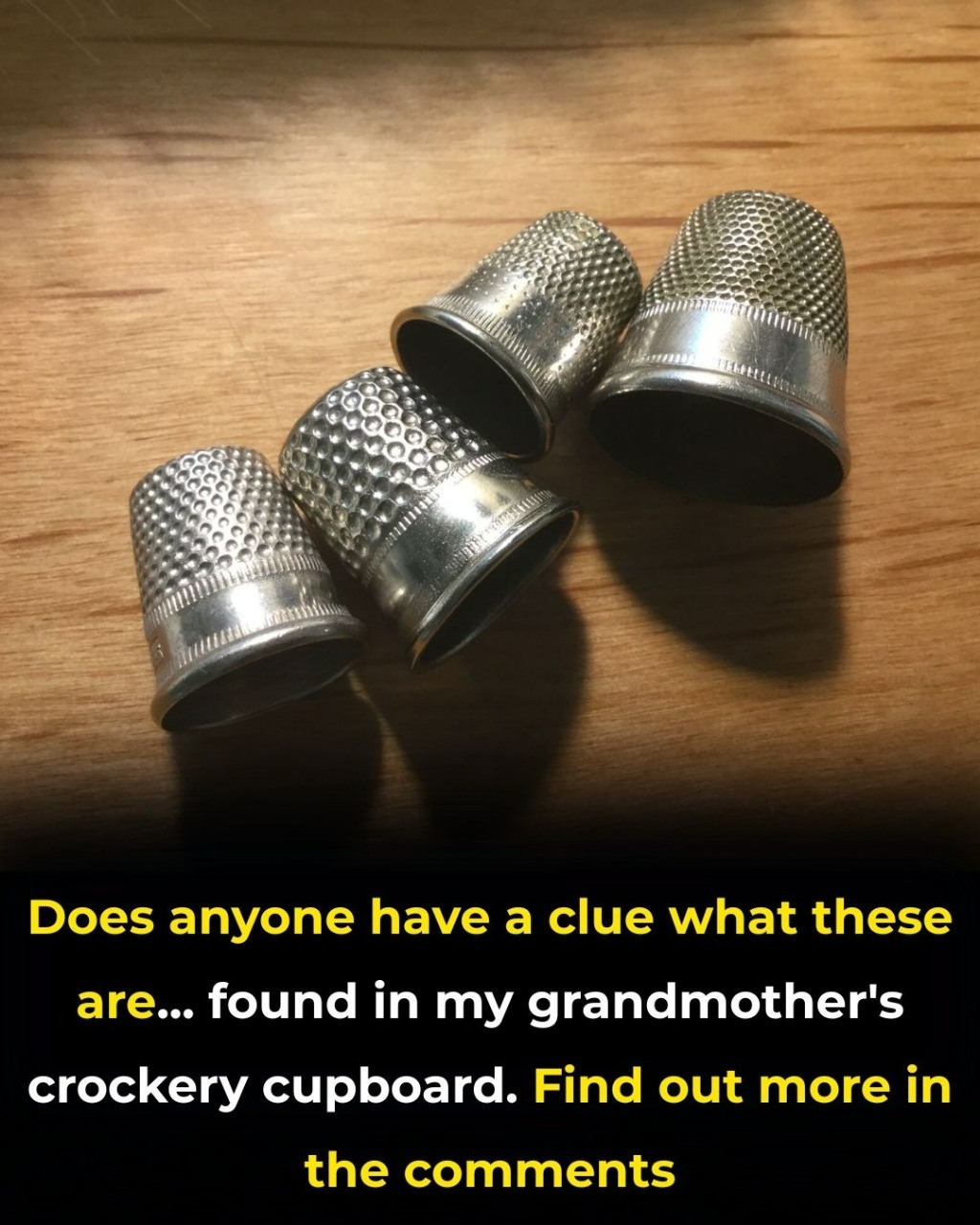
Types of thimbles collectors seek:
Antique silver or brass thimbles (especially those with hallmarks or maker’s marks)
Dorcas thimbles (by Charles Horner – highly collectible)
Souvenir thimbles (porcelain or enamel, especially pre-WWII)
Advertising thimbles (businesses, events, exhibitions)
Royal commemorative thimbles (coronations, weddings, jubilees)
Figural thimbles (shaped like animals, people, or objects – usually novelty, but collectible)
What to look for in a collectible thimble:
Condition: No cracks, dents, or missing enamel. Original patina is desirable.
Rarity: Limited runs, unusual materials, or rare maker’s marks.
Age: Generally, older thimbles are more valuable (though some modern limited editions are also sought after).
Provenance: A thimble with a known history (owned by a notable person, given as a gift under special circumstances) can be worth significantly more.
Hallmarks and maker’s marks: English silver thimbles have date letters and city marks. Learn to read them.
Where to find collectible thimbles:
Antique shops and flea markets
Estate sales (look in sewing baskets)
Online auction sites (eBay, Etsy)
Thimble collector clubs and conventions
Resources for thimble collectors:
The Thimble Society (UK-based)
The Fingerhut Museum (Creglingen, Germany – a museum dedicated entirely to thimbles)
Online forums and Facebook groups
Caring for Your Thimbles
Whether you have one treasured family thimble or a collection of hundreds, proper care is essential.
Cleaning metal thimbles:
Silver: Use a gentle silver polish (not a dip – dips can remove patina). Test on the inside first.
Brass or bronze: Use a brass polish. Again, test first.
Do NOT clean antique thimbles aggressively. Patina (the dark, aged surface) adds value. Many collectors prefer unpolished thimbles.
Never use abrasive cleaners (Barkeeper’s Friend, steel wool, sandpaper). You’ll scratch the surface and destroy the knurling.
Storing thimbles:
Keep them dry. Moisture causes corrosion.
Display in a glass-front case if possible (keeps dust off while allowing you to enjoy them).
Handle with clean, dry hands. Oils from your skin can tarnish metal over time.
For porcelain or enamel thimbles:
Dust gently with a soft brush.
Avoid water (can seep into hairline cracks and damage the enamel).
Display out of direct sunlight (which can fade colors).
The Thimble Today: Revival and Relevance
In an age of sewing machines and fast fashion, hand-sewing is no longer a daily necessity. Yet thimbles endure.
Modern thimbles: You can still buy metal thimbles at fabric stores. They’re mass-produced, functional, and affordable. Some are made of silicone or rubber – flexible, grippy, and comfortable.
Artisanal thimbles: Independent metalsmiths and jewelers are creating handmade thimbles as art objects. These are expensive, beautiful, and meant to be collected rather than used.
The sentimental thimble: Many families still pass down thimbles from grandmother to mother to daughter (or son). The thimble isn’t used for everyday sewing anymore, but it sits in a drawer or on a shelf, holding memories.
Thimbles in slow fashion and mending: As the “visible mending” movement grows (people repairing clothes as a creative and political act), hand-sewing is having a small revival. Some menders use thimbles. Most still don’t. But the thimble’s image—hardworking, protective, humble—has become a symbol of the movement.
For Complete Cooking STEPS Please Head On Over To Next Page Or Open button (>) and don’t forget to SHARE with your Facebook friends
ADVERTISEMENT
