
Frequently Asked Questions
What is the most valuable thimble?
A rare 18th-century silver thimble by a notable maker can sell for thousands of dollars. Extremely rare thimbles (such as those made for royalty) have sold at auction for $10,000-$20,000.
How can I tell if my thimble is antique?
Look for hand-knurled dimples (modern thimbles are machine-knurled, with perfectly uniform dimples). Hand-knurling is slightly irregular. Also look for maker’s marks, hallmarks, and signs of age (patina, wear, old-style lettering).
What is a “thimble” in Monopoly?
From the 1930s until 2017 (and again in special editions), the thimble was one of the classic Monopoly tokens. It represents domestic life and sewing, and it was one of the most beloved (and mourned) tokens when it was temporarily retired.
Why are thimbles collected?
People collect thimbles for many reasons: nostalgia, family history, love of sewing, appreciation of craftsmanship, or simply because thimbles are small and easy to store. Some people collect only souvenir thimbles, others only silver thimbles, others only one specific brand (Dorcas).
Can you use an antique thimble for sewing?
Yes, if it’s in good condition. However, many collectors prefer not to use antique thimbles because use can cause wear and reduce value. If you want a thimble for actual sewing, buy a new one.
What’s the difference between a thimble and a “sewing ring”?
A sewing ring is similar to a thimble but open at the top. It’s worn on the finger to push needles, but it doesn’t cover the fingertip. Sewing rings are less common and were often made for decorative or ceremonial purposes.
A Small Object with a Big Story
Here’s what I love most about thimbles.
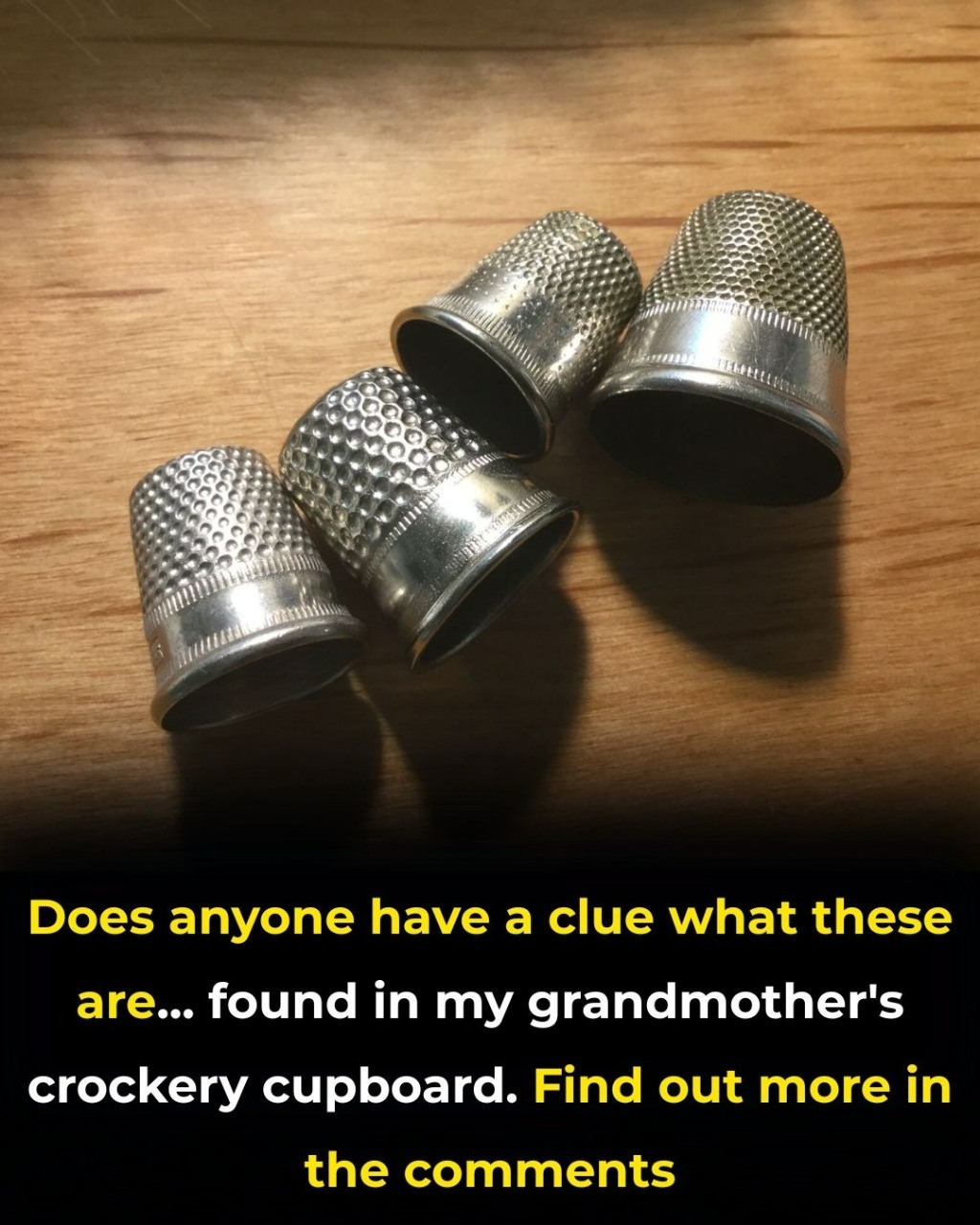
They are tiny. Easily lost. Easily overlooked. But they carry enormous weight—of history, of memory, of the countless hours women (and men) spent sewing by lamplight, making clothes, mending tears, keeping their families warm.
That brass thimble in my grandmother’s sewing basket? I eventually learned its story. It belonged to her mother, who brought it from Ireland in 1928. She used it to sew her children’s clothes during the Great Depression. She passed it to my grandmother, who used it to sew my father’s baby clothes. It’s now in my sewing basket. I don’t use it often. But when I do, I think of them.
That’s the magic of thimbles. They are not just tools. They are connectors.
Now I’d love to hear from you. Do you have a thimble that’s been passed down in your family? Have you ever collected souvenir thimbles? Do you use a thimble when you sew? Drop a comment below – your story might be the next chapter in the history of thimbles.
And if this article made you see thimbles differently, please share it with someone who loves sewing, history, or small treasures. A text, a link, a conversation. Good stories are meant to be passed down.
Now go find that thimble. It’s waiting. 👑🧵
ADVERTISEMENT
