
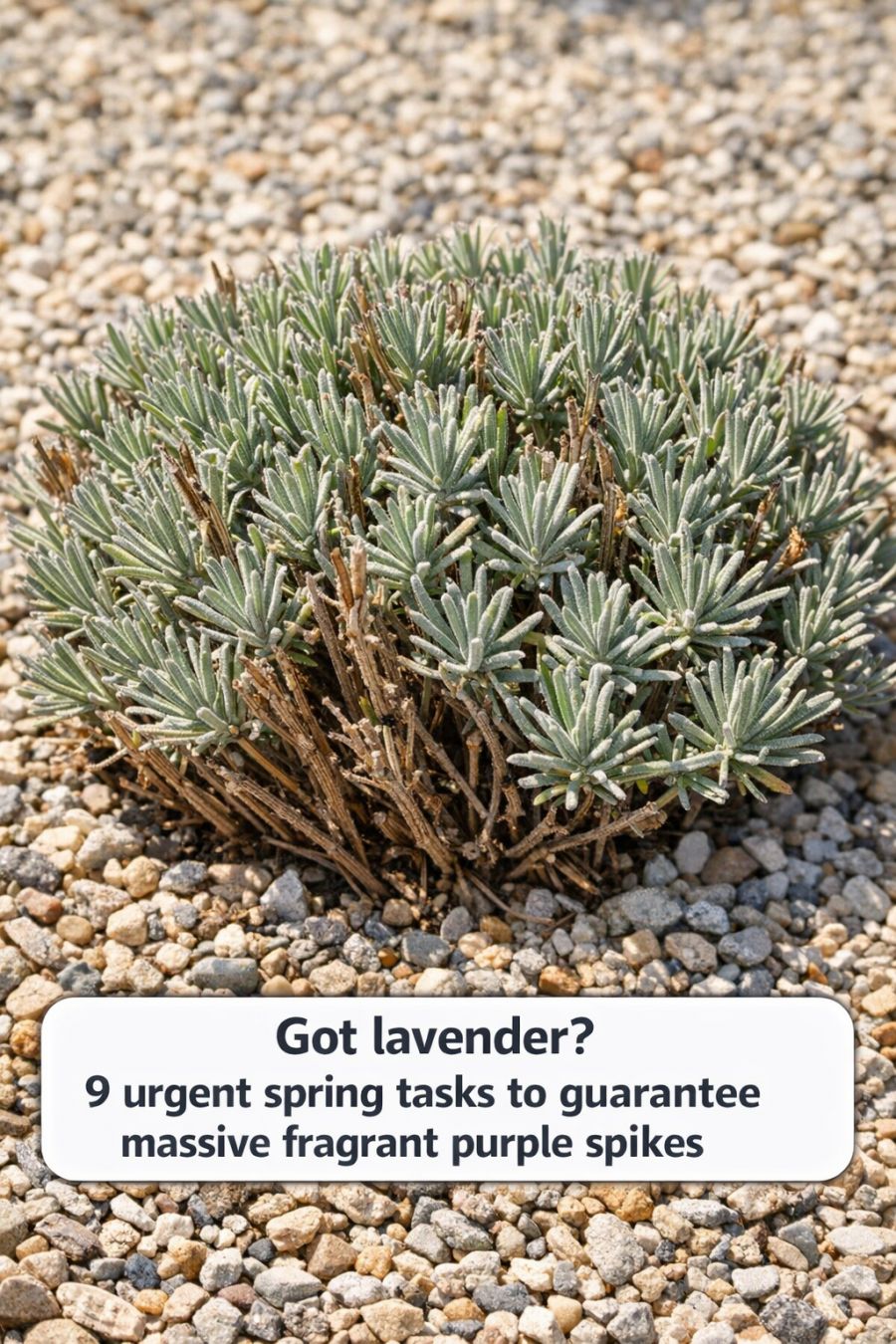
The arrival of spring heralds a time of rejuvenation and growth in the garden, and for those with lavender, it’s the perfect opportunity to ensure your plants are set up for a season of prolific bloom. Lavender, with its distinctive spikes of fragrant purple flowers, is a garden favorite, not only for its beauty and scent but also for its ability to attract pollinators and its versatility in culinary and decorative uses.
To maximize lavender’s potential, it’s essential to carry out specific tasks in spring. These tasks are designed to enhance the health and productivity of your lavender plants, ensuring they flourish into massive, fragrant spikes that are the envy of any garden. Here are nine urgent spring tasks that will guarantee your lavender thrives throughout the growing season.
1. Start With a Hard, Ruthless Spring Prune
Pruning is crucial for lavender, as it encourages bushy growth and prevents the plant from becoming woody and sparse. In early spring, once the risk of frost has passed, take a pair of sharp, clean shears and prune back your lavender plants by about one-third. Be ruthless—cutting back to just above the woody part of the stem. This not only stimulates fresh growth but also ensures the plant maintains a compact shape, which is essential for maximum flowering.
Be careful not to cut into the old wood beyond the green growth, as lavender does not regenerate well from old stems. Regular pruning also helps extend the life of your lavender plant, keeping it productive and healthy for years to come.
2. Strip Out Winter Damage and Woody, Non-Flowering Stems
After the harsh winter months, your lavender may have some damaged or dead wood that needs to be removed. Carefully inspect your plants and remove any stems that are brown or brittle as these are unlikely to produce flowers. This process not only clears away unsightly plant material but also opens up the plant to allow for better air circulation, reducing the risk of disease.
It’s also a good time to remove any woody branches that haven’t flowered in the previous season. Focus on maintaining a balance between removing dead material and preserving enough healthy green stems to support new growth.
3. Shape Plants for Sun Exposure and Airy, Flower-Packed Mounds
Lavender thrives in full sun and needs to be shaped in a way that maximizes sun exposure across the entire plant. After your initial prune, assess the plant’s shape and trim further if necessary to ensure that the center of the plant is open and light can penetrate to all parts of the lavender.
Aim for a rounded mound shape, which helps improve air circulation and reduces the risk of fungal diseases. This shape also allows the plant to support more flower spikes, resulting in a more abundant bloom.
For Complete Cooking STEPS Please Head On Over To Next Page Or Open button (>) and don’t forget to SHARE with your Facebook friends
ADVERTISEMENT
