
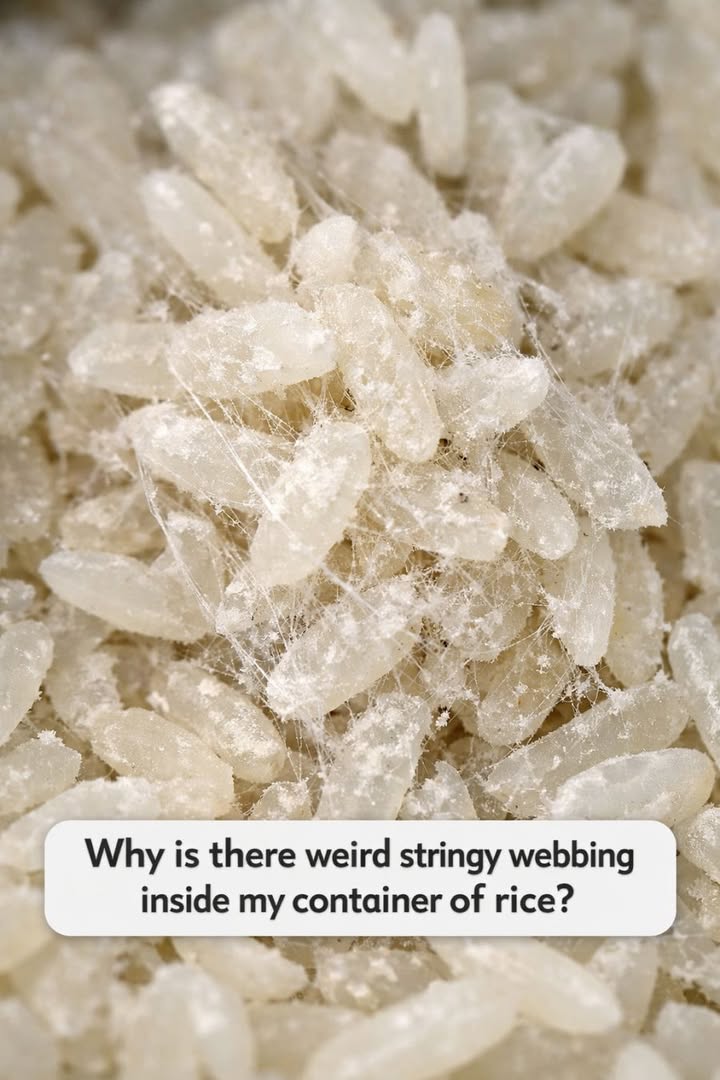
8. Deep-Cleaning Your Pantry to Stop the Webbing From Coming Back
After removing contaminated food, conduct a thorough cleaning of your pantry. Vacuum shelves, corners, and crevices to remove any remaining larvae or frass. Wipe down surfaces with a mixture of vinegar and water to eliminate odors that might attract pests.
Consider using natural deterrents such as bay leaves or sachets of dried lavender, which can help repel moths. Regularly inspect your pantry for signs of reinfestation and clean it periodically to maintain a pest-free environment.
9. Smart Storage Hacks to Prevent Future Webbing in Rice
To prevent future infestations, store dry goods in airtight, pest-proof containers made of glass, metal, or thick plastic. These materials are difficult for larvae to penetrate and help maintain the freshness of your food.
Label containers with the purchase date and adopt a ‘first in, first out’ approach to ensure older products are used before newer ones. Regularly check for signs of pests and maintain a clean, organized pantry to reduce the risk of infestation.
10. When to Call Pest Control (And When You Can Handle It Yourself)
In most cases, a pantry moth infestation can be managed with diligent cleaning and storage practices. However, if the infestation is severe or persists despite your efforts, it may be time to call a professional pest control service. They can provide targeted treatments to eliminate the problem and offer advice on preventing future occurrences.
On the other hand, if the infestation is localized and manageable, you can likely handle it yourself with thorough cleaning and improved storage methods. Taking proactive steps to maintain a pest-free kitchen will help ensure your pantry remains safe and free from unwanted invaders.
ADVERTISEMENT
