
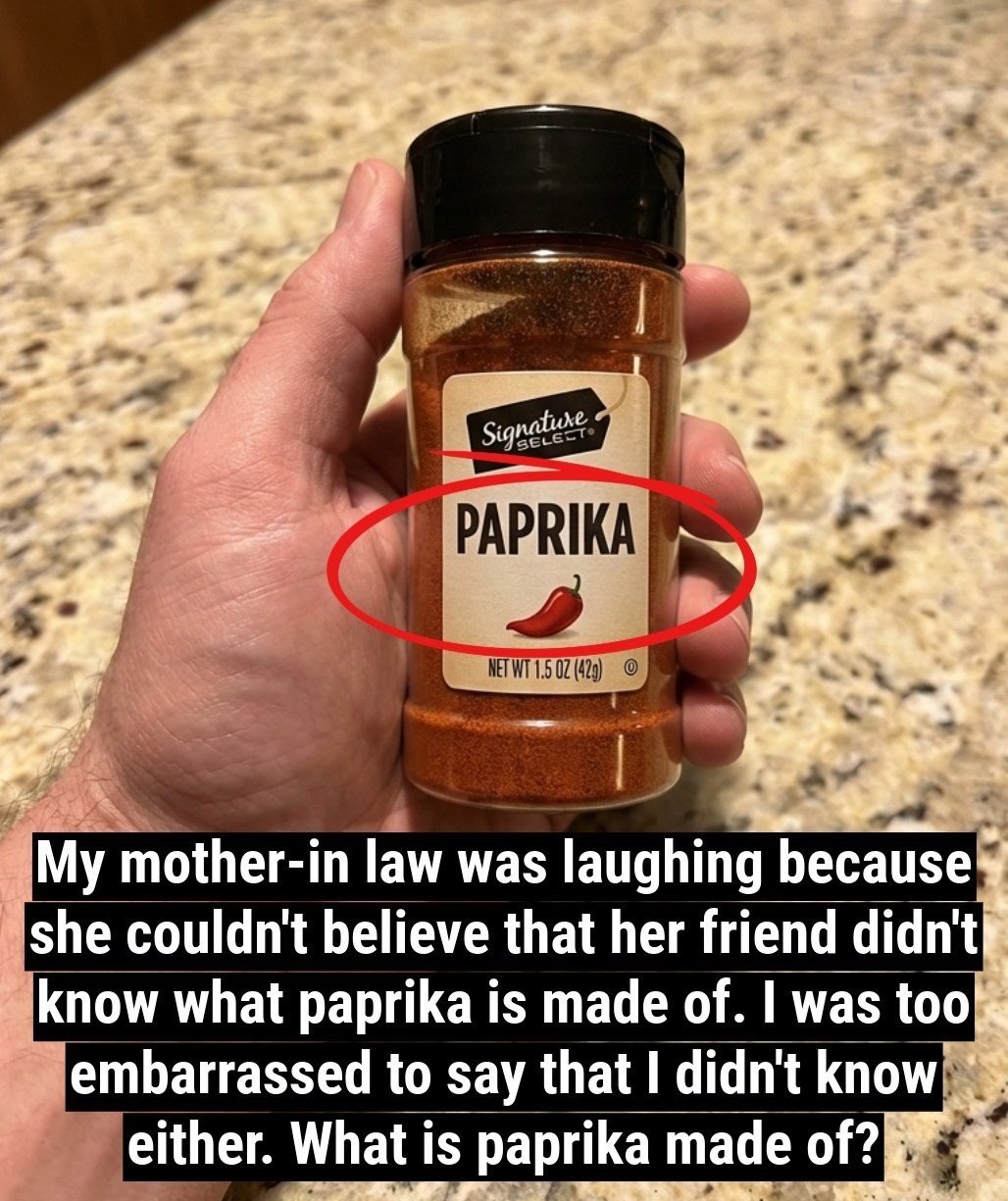
🌍 Why the Confusion?
Many people assume paprika comes from a special plant because:
It’s sold as a standalone spice, not labeled “ground pepper”
Its deep red color seems too intense for ordinary bell peppers
Most people aren’t familiar with pepper-drying traditions
But just like cayenne powder comes from chili peppers and black pepper comes from peppercorns, paprika is simply a processed form of a familiar vegetable.
🥘 How to Use Paprika Like a Pro
Don’t burn it:
Add paprika early in cooking with oil to release its flavor, but avoid high heat because it can turn bitter.
Use it for color:
Sprinkle paprika over finished dishes like deviled eggs, hummus, or mashed potatoes for a vibrant finish.
Layer flavors:
Combine paprika with garlic, cumin, or oregano in marinades and spice rubs.
Try smoked paprika:
It can instantly transform soups, beans, roasted vegetables, or grilled meats.
💬 Final Thought
There may be no “paprika tree,” but the truth is even better: a humble pepper, carefully dried and ground, bringing vibrant color and flavor to kitchens around the world.
The next time you reach for that small red jar, remember—you’re not just adding a spice.
You’re adding sunshine, patience, and centuries of culinary tradition in a single pinch.
ADVERTISEMENT
