
2. Aflatoxins (Rare but Real)
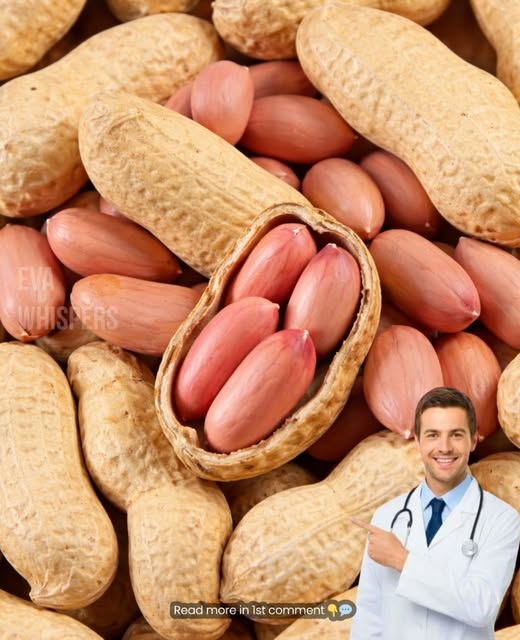
Peanuts can harbor aflatoxins—toxic molds that grow in warm, humid storage.
Minimize risk: Buy from reputable brands, store in cool/dry place, avoid discolored or shriveled nuts
The U.S. strictly regulates aflatoxin levels in commercial products
3. Sodium & Additives
Flavored or salted peanuts can be high in sodium, sugar, or unhealthy oils.
✅ Choose wisely: Opt for dry-roasted, unsalted varieties when possible.
4. Portion Control
While healthy, peanuts are calorie-dense. Stick to 1 oz (small handful) per serving to avoid overeating.
🥣 How to Enjoy Peanuts for Maximum Benefit
Snack: Raw or dry-roasted (unsalted)
Breakfast: Stir into oatmeal or yogurt
Savory dishes: Add to stir-fries, salads, or grain bowls
Homemade: Blend into natural peanut butter (just peanuts + pinch of salt)
Global flavors: Use in African stews, Thai sauces, or Mexican moles
✨ Tip: Pair with vitamin C-rich foods (like bell peppers or citrus) to boost iron absorption!
💬 Final Thought
Peanuts are far more than a bar snack—they’re a nutritional powerhouse that quietly supports your heart, brain, metabolism, and gut.
So go ahead: enjoy that handful. Just keep it simple, mindful, and allergy-aware.
“Nature packs medicine in the humblest shells.”
Do you eat peanuts regularly? How do you like to use them? Share your favorite way below—we’re all nourishing ourselves wisely together! 🥜💛
ADVERTISEMENT
