
Practice
Why It Matters
Refrigerate properly
Store eggs at ≤40°F (4°C) in their original carton (not the door)
Check before cracking
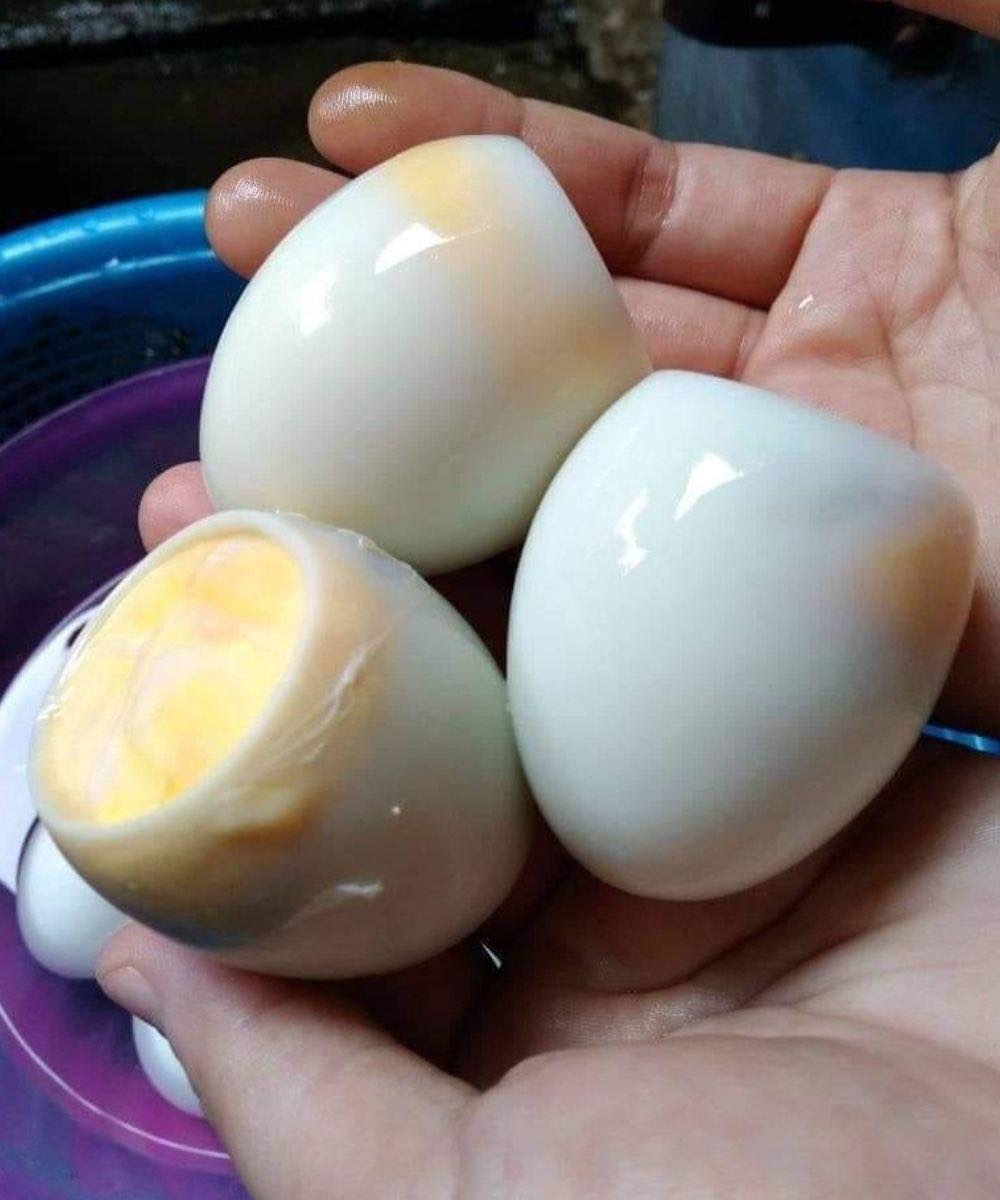
Discard eggs with cracks, leaks, or slimy shells
Sniff test
Fresh eggs have little odor; sulfuric smells = spoilage
Float test
Place egg in water: fresh eggs sink; spoiled/old eggs float
Respect dates
Use within 3–5 weeks of purchase (not just the “sell-by” date)
Cook thoroughly
Heat eggs to 160°F (71°C) to kill potential bacteria
Important: You cannot detect Salmonella by sight, smell, or taste. Proper cooking and storage remain your best defenses—even with fresh-looking eggs.
A Balanced Perspective
Accidentally eating a spoiled egg is unpleasant—but rarely dangerous for healthy individuals. Your body is well-equipped to handle minor foodborne challenges when supported with rest and hydration.
That said, trust your senses. If an egg smells sulfurous, looks discolored, or feels slimy, discard it. No meal is worth the risk. And remember: spoilage and contamination aren’t the same thing. An egg can look and smell fine yet still carry bacteria—which is why proper cooking and refrigeration matter more than freshness alone.
Your kitchen wisdom isn’t about perfection.
It’s about gentle awareness:
Noticing the off smell.
Pausing before the first bite.
Choosing safety without shame.
Because the most nourishing ingredient in any meal is peace of mind.
Note: This guidance reflects general food safety principles. Consult a healthcare provider for personal medical concerns.
ADVERTISEMENT
