
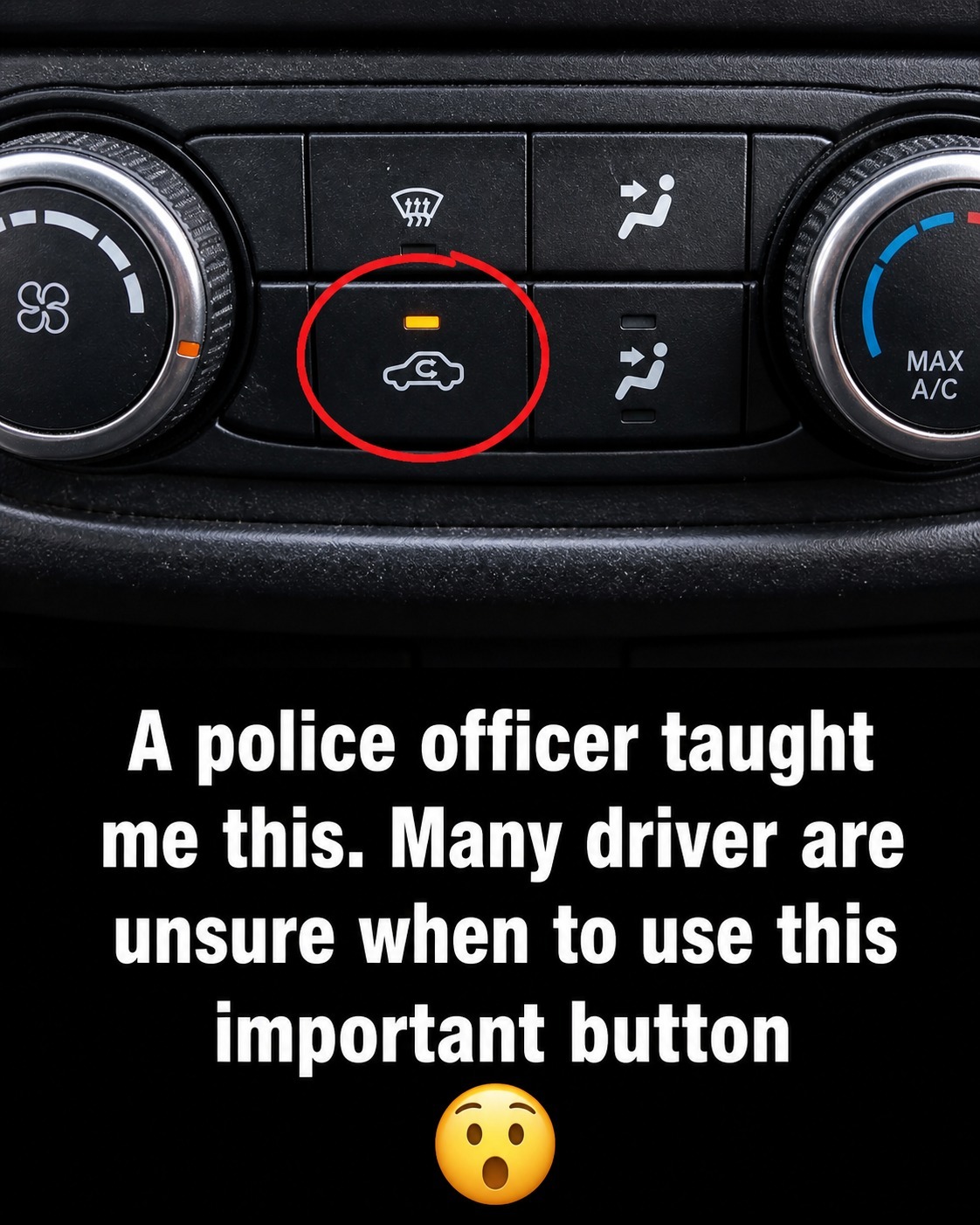
🚗 Best Practices: When to Flip the Switch
Scenario
Recommended Setting
Why?
Summer / Hot Day
Recirculation ON
Cools the car faster; saves AC effort.
Winter / Cold Day
Fresh Air ON
Prevents fogging; brings in dry air.
Rain / Humidity
Fresh Air ON
Critical for defogging windows.
Bad Smells / Exhaust
Recirculation ON
Blocks odors and pollutants.
Long Highway Drive
Mostly Fresh Air
Prevents drowsiness; keeps air fresh.
Tunnel / Traffic Jam
Recirculation ON
Avoids inhaling concentrated exhaust.
💡 Pro Tip: The Auto Climate Control Factor
If your car has Automatic Climate Control, you might not need to touch the button at all. Many modern systems automatically switch to recirculation when you first turn on the AC to cool the car quickly, then switch back to fresh air once the target temperature is reached to prevent fogging and stuffiness. Check your owner’s manual to see how your specific system handles this.
The Bottom Line
The air recirculation button is a powerful tool, but it’s not meant to be left on permanently. Think of it as a temporary shield against heat, smells, and pollution. For most daily driving, especially in changing weather, Fresh Air Mode is safer and healthier.
So, next time you hop in your car, ask yourself: Do I need an air bubble, or do I need a breath of fresh air?
Did you know recirculation could make your windows fog up? Do you leave it on or off? Share your driving habits in the comments below!
ADVERTISEMENT
