
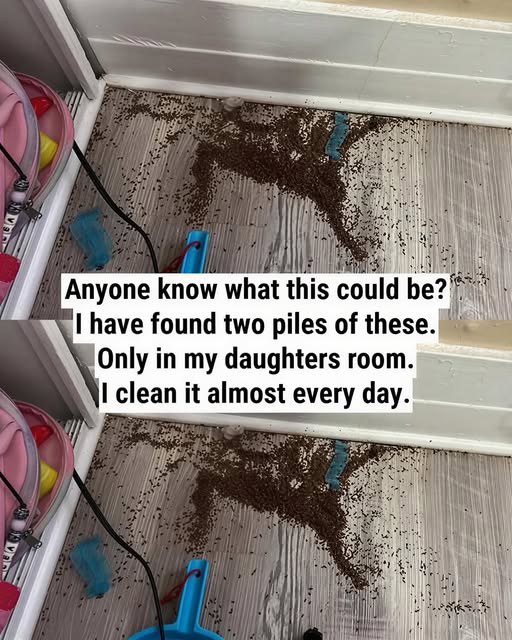
This isn’t incompetence—it’s a detection challenge:
Reason
Explanation
No visible insects
Drywood termites live entirely inside wood—no mud tubes, no soil contact
Small, hidden entry points
“Kick-out holes” are tiny (1–2mm) and often on the underside of wood surfaces
Intermittent activity
Termites push out frass periodically—not continuously—so piles may seem to “appear overnight”
Misidentified as debris
Without magnification, frass looks like spilled coffee, potting soil, or craft glitter
✅ Solution: A thorough inspection requires:
Flashlight examination of all wood surfaces (especially undersides)
Probing wood with an ice pick for hollow spots
Looking for tiny holes with fresh frass directly beneath
❌ What It’s NOT (Common Misidentifications)
Suspect
Why It Doesn’t Fit
Mouse/rat droppings
Pellet-shaped (not granular piles); dark when fresh; strong odor when accumulated
Carpenter ant frass
Mixed debris (wood shavings + insect parts); coarser texture; often near moisture
Bed bug excrement
Dark stains (not dry piles); found on mattress seams/walls; smeared appearance
Booklice
Microscopic; leave fine powder in damp books—not distinct piles
Spilled food/potpourri
Would have scent; wouldn’t reappear after cleaning; pest pros would recognize instantly
🏠 What To Do If You Find This
Step 1: Confirm It’s Frass
Collect a small sample on white paper
Examine with a magnifying glass or phone macro lens
Look for uniform, oblong pellets with rounded ends (not irregular crumbs)
Step 2: Locate the Source
Follow piles upward to wooden surfaces
Look for tiny holes (1–2mm) in:
→ Bed frames/headboards
→ Wooden furniture legs
→ Baseboards or window trim
→ Closet shelves
Step 3: Professional Treatment Options
Method
How It Works
Best For
Spot treatment
Inject insecticide directly into kick-out holes
Small, localized infestations
Heat treatment
Raise room temp to 120°F+ for several hours
Whole-room infestation; non-toxic
Fumigation (“tenting”)
Gas penetrates all wood in home
Severe/widespread infestation
Wood replacement
Remove and replace infested structural wood
When damage compromises integrity
⚠️ Critical: Drywood termites work slowly (years to cause major damage)—but they will spread if untreated. Don’t panic, but do act within 2–4 weeks.
💡 Why This Happens in Children’s Rooms Specifically
Wooden furniture: Kids’ beds, toy chests, and desks are often made of softwoods termites prefer
Undisturbed spaces: Less foot traffic = termites work uninterrupted
Proximity to exterior walls: Many children’s rooms border outside walls where termites enter
For Complete Cooking STEPS Please Head On Over To Next Page Or Open button (>) and don’t forget to SHARE with your Facebook friends
ADVERTISEMENT
