
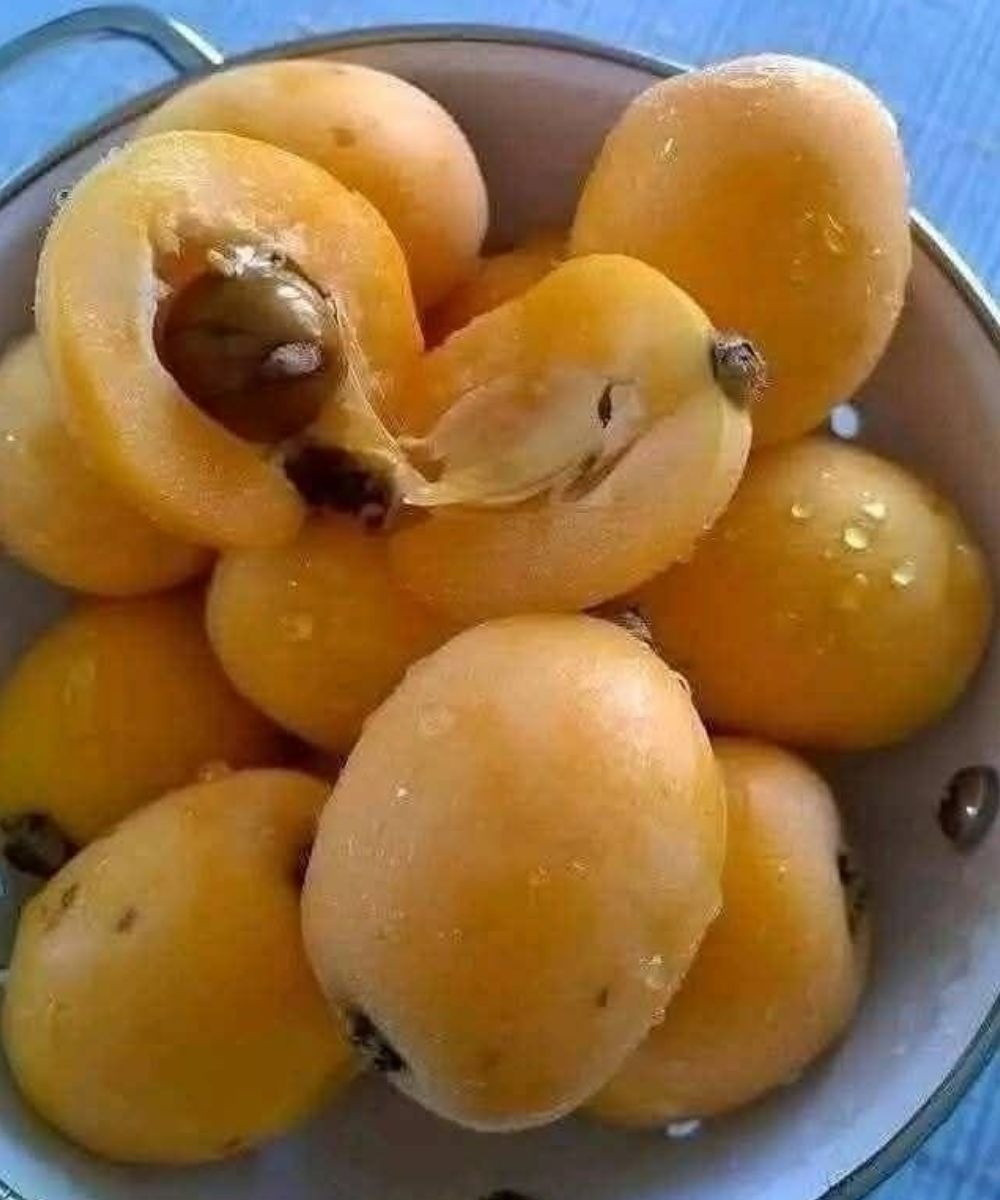
Step 1: Prepare Your Fruit
Wash, peel (if needed), and chop your fruit into small, uniform pieces. Smaller pieces cook faster and break down more evenly.
Pro tip: If you want a smoother jam, mash the fruit slightly with a potato masher after chopping. If you want a chunkier “rustic” jam, leave larger pieces.
Step 2: Combine Fruit and Sugar
In a large, heavy-bottomed pot (Dutch oven or enameled cast iron works beautifully), combine the prepared fruit and sugar. Stir to coat the fruit evenly.
Let the mixture sit for 30-60 minutes at room temperature. This step, called maceration, draws out the fruit’s natural juices and helps the sugar dissolve. Do not skip it.
Step 3: Add Lemon Juice and Begin Cooking
Add the lemon juice to the pot. Place the pot over medium heat. Stir occasionally as the sugar dissolves and the fruit begins to release more liquid.
Step 4: Bring to a Gentle Boil
Increase the heat to medium-high and bring the mixture to a gentle boil. Reduce heat to maintain a steady, low simmer. You want bubbles, not a volcanic eruption.
Skim the foam: As the jam cooks, a pale foam will rise to the surface. Skim it off with a spoon and discard. This removes impurities and gives your jam a clearer, prettier final appearance.
Step 5: Simmer Low and Slow
This is where the magic happens. Let the jam simmer gently for 30-60 minutes, stirring occasionally to prevent sticking.
The texture change: The jam will thicken gradually. The fruit will soften and break down. The color will deepen. The kitchen will smell incredible.
Step 6: Test for Doneness (The Plate Test)
Turn off the heat. Place a small spoonful of jam on a cold plate (keep a plate in the freezer for this). Let it sit for 30 seconds. Tilt the plate.
You’re done when: The jam wrinkles slightly when pushed with your finger and doesn’t run like liquid. If it’s still runny, cook for another 5-10 minutes and test again.
Step 7: Jar Your Jam
Ladle the hot jam into clean, dry jars (sterilizing is best, but not strictly required if you’ll refrigerate and use within a few weeks). Leave about ¼ inch of space at the top.
Wipe the rims clean. Seal with lids.
Step 8: Cool and Store
Let the jars cool to room temperature on a counter (away from drafts). As they cool, you may hear the lids “ping” – that’s the seal forming.
Storage options:
Refrigerator: Keeps for 3-4 weeks.
Freezer: Freezes beautifully for up to 6 months (leave headspace for expansion).
Water-bath canning: For room-temperature shelf storage, process jars in a boiling water bath for 10 minutes (adjust for altitude).
The Plate Test: Your New Best Friend
The plate test is the old-fashioned, foolproof way to know when your jam is done without a candy thermometer.
How to do it:
Place a small plate or saucer in your freezer before you start cooking.
When you think the jam might be ready, remove the plate from the freezer.
Drop a small spoonful of jam onto the cold plate.
Let it sit for 30 seconds.
Push the edge of the jam with your fingertip.
If the jam wrinkles and holds its shape – it’s done.
If it runs like liquid – cook for another 5-10 minutes and test again.
This works because pectin (natural or added) needs time to set. The cold plate speeds up that process for testing.
Common Jam-Making Questions (And Answers)
Why add lemon juice? Lemon juice adds acidity, which helps pectin form a gel. It also balances sweetness and brightens fruit flavor. Don’t skip it.
How much sugar do I really need? Sugar acts as a preservative, helps the jam set, and adds sweetness. You can reduce sugar by up to 25%, but your jam will be looser, darker, and won’t last as long. For very low-sugar jam, use a commercial low-sugar pectin and follow its recipe.
My jam is too runny. Can I fix it? Yes. Return it to the pot. Simmer for another 5-10 minutes. Test again. You can also add a tablespoon of lemon juice (extra acid helps pectin set). As a last resort, dissolve 1 teaspoon of cornstarch in 2 teaspoons of water and stir in.
My jam is too thick. Can I fix it? Yes. Stir in a few tablespoons of water or lemon juice and gently reheat. Don’t overdo it.
Can I double this recipe? Yes, but cook time will increase. Use a larger pot (jam bubbles up). Stir more frequently. The plate test still works.
Fun Variations (For When You’ve Mastered the Basics)
Strawberry Mazah – 2 lbs strawberries, 2 cups sugar, 2 tbsp lemon juice. Add 1 tsp vanilla at the end.
Peach Vanilla Mazah – 2 lbs peaches (peeled, sliced), 2 cups sugar, 2 tbsp lemon juice, 1 vanilla bean (split). Remove vanilla bean before jarring.
Mixed Berry Mazah – 1 lb strawberries, ½ lb raspberries, ½ lb blueberries. Same sugar and lemon.
Spiced Apple Mazah – 2 lbs apples (peeled, chopped), 2 cups sugar, 2 tbsp lemon juice, 1 cinnamon stick, 2 cloves. Remove spices before jarring.
Fig and Cardamom Mazah – 2 lbs fresh figs (quartered), 2 cups sugar, 2 tbsp lemon juice, 6 crushed cardamom pods.
Quince Mazah (Traditional) – 2 lbs quince (peeled, cored, chopped very small), 2 cups sugar, 2 tbsp lemon juice. Cook longer – quince needs extra time to soften.
For Complete Cooking STEPS Please Head On Over To Next Page Or Open button (>) and don’t forget to SHARE with your Facebook friends
ADVERTISEMENT
