
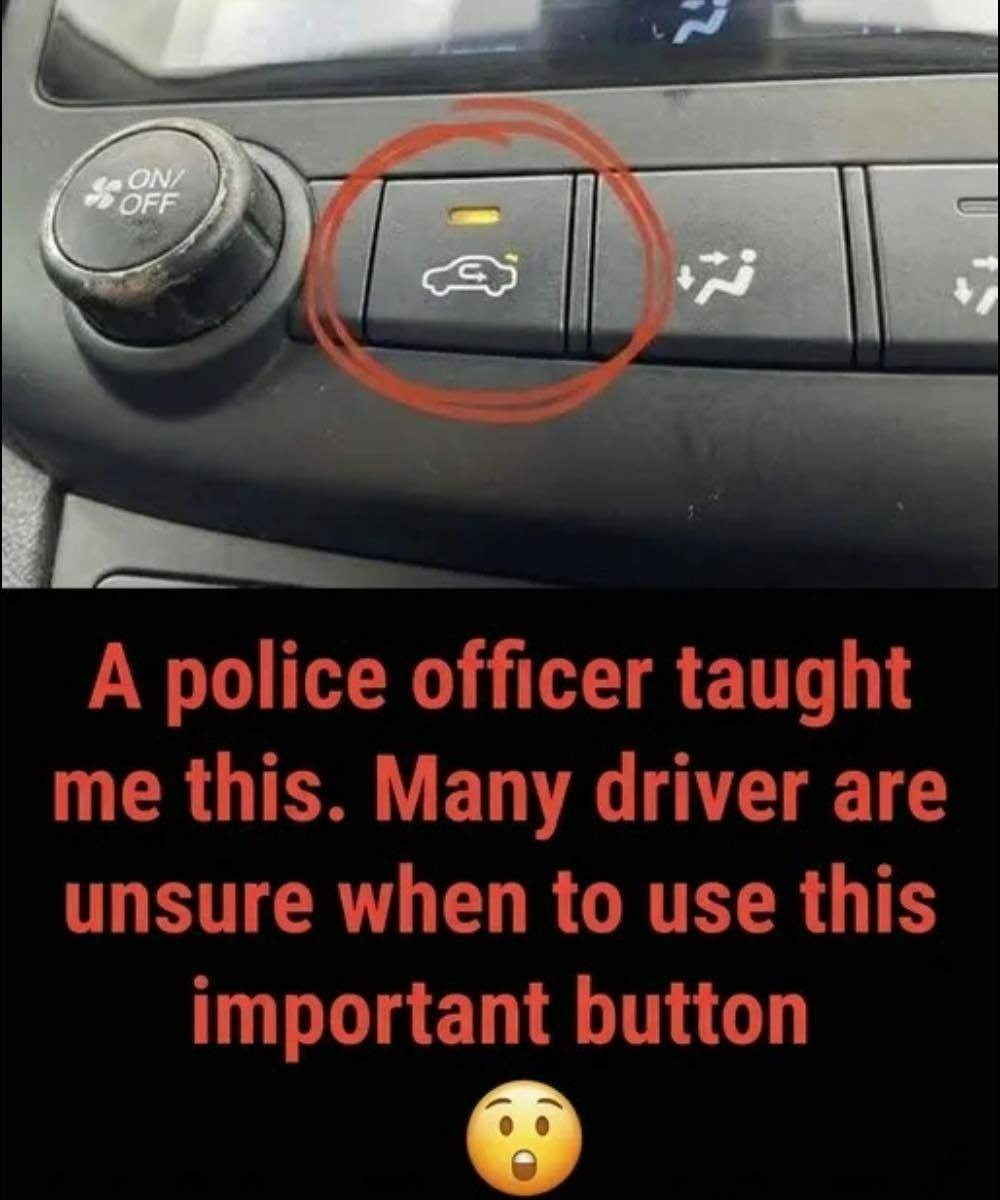
3. When Your AC or Heater Is Off
If you’re not running your AC or heater (just running the fan), recirculation mode can make the air feel stuffy and stale. Without the dehumidifying effect of the AC, moisture builds up quickly.
The fix: If you’re just running the fan without temperature control, stick to fresh air mode.
4. If You Have a Dirty Cabin Air Filter
Recirculation mode constantly pushes the same air through your cabin filter. If that filter is clogged with dust, leaves, or mold, you’re just recirculating dirty air.
The fix: Replace your cabin air filter every 12,000-15,000 miles (or once a year). It’s usually a $15-30 part and takes about 10 minutes to install yourself. Your nose will thank you.
Common Myths About the Recirculation Button (Debunked)
Myth #1: “Recirculation mode saves gas.”
Slightly, in extreme heat, because your AC works less. But the difference is tiny. Don’t expect to see a noticeable change at the pump.
Myth #2: “Recirculation mode cools faster but uses more energy.”
Actually, it cools faster and uses less energy. Cooling already-cooled air takes less work than cooling hot outside air.
Myth #3: “You should always use recirculation in summer.”
Mostly true, but not always. On mild summer days when outside air is pleasant, fresh air mode is fine. Save recirculation for when you really need it.
Myth #4: “Recirculation mode is bad for your car.”
Not at all. It’s a designed feature. Use it when appropriate. Just don’t leave it on 24/7.
Myth #5: “The button is broken because I don’t notice a difference.”
You might not feel a dramatic difference in mild weather. In extreme heat or heavy traffic, the difference becomes obvious.
How to Use Both Modes Strategically (The Pro Driver’s Guide)
Here’s how I use recirculation mode in different seasons and situations.
Summer commute (hot, sunny):
Start with windows down for 30 seconds
Close windows, turn on recirculation, max AC
After 10-15 minutes (once the cabin is cool), switch to fresh air mode for 5-10 minutes
Switch back to recirculation. Repeat as needed.
Winter commute (cold, humid):
Leave recirculation OFF
Use fresh air mode with defroster
If windows stay clear after 10 minutes, you can try recirculation briefly—but watch for fog
Traffic jam (exhaust-heavy):
Recirculation ON immediately
Leave it on until traffic clears
Switch to fresh air mode for 5 minutes once you’re moving freely
Dusty road or wildfire smoke:
Recirculation ON
Leave it on until you’re out of the affected area
Replace cabin air filter sooner than scheduled
Long road trip with passengers:
Recirculation ON for 45-60 minutes
Fresh air mode for 10-15 minutes
Repeat throughout the trip
The Cabin Air Filter Connection (Don’t Ignore This)
Your recirculation system is only as good as your cabin air filter.
When recirculation mode is on, air passes through the filter repeatedly. If that filter is clogged, dirty air keeps circulating through your cabin. You’re not protecting yourself—you’re just recycling dust, pollen, and allergens.
Signs your cabin air filter needs replacement:
Reduced airflow from vents (even on high fan speed)
Musty or unpleasant odors when AC or heat runs
Excessive fogging on windows
You can’t remember the last time you changed it
How often to change it: Every 12,000-15,000 miles or once a year. If you drive in dusty conditions or heavy traffic, change it every 6 months.
Cost: $15-30 for the filter. 10-15 minutes to replace (usually behind the glove box). Some mechanics charge $80-120 for this simple job. It’s worth learning to do yourself.
Frequently Asked Questions
Does recirculation mode work with the heater as well as the AC?
Yes. The same principle applies: recirculating already-warmed air heats the cabin faster in cold weather. But be careful—using it too long in cold weather causes window fogging.
Why does my car automatically turn off recirculation mode sometimes?
Many modern cars are programmed to disable recirculation when you select the defrost setting. This prevents window fogging. Some cars also cycle fresh air periodically to maintain oxygen levels.
For Complete Cooking STEPS Please Head On Over To Next Page Or Open button (>) and don’t forget to SHARE with your Facebook friends
ADVERTISEMENT
