
When shaping, if you’re not using a biscuit cutter, a sharp knife or bench scraper helps create clean cuts without tearing the dough. For truly tall biscuits, pat the dough to at least a ¾-inch thickness. For a subtle sweetness, you can increase the sugar to 2 tablespoons. For a savory twist, consider adding ½ teaspoon of garlic powder and a sprinkle of dried chives to the dry ingredients. If you don’t have buttermilk, don’t fret! You can easily make a substitute by adding 1 tablespoon of lemon juice or white vinegar to a cup of regular milk (whole milk works best) and letting it sit for 5-10 minutes until it slightly curdles. This acidity reacts with the baking soda to help the biscuits rise.
For an extra-rich flavor, some bakers like to use half butter and half shortening. Shortening has a higher melting point, which can contribute to even flakier results. If you prefer a richer, more golden crust without the egg wash, you can brush the tops of the unbaked biscuits with a little extra buttermilk or melted butter before baking. Experiment with these variations to find your perfect biscuit!
Storage and Reheating
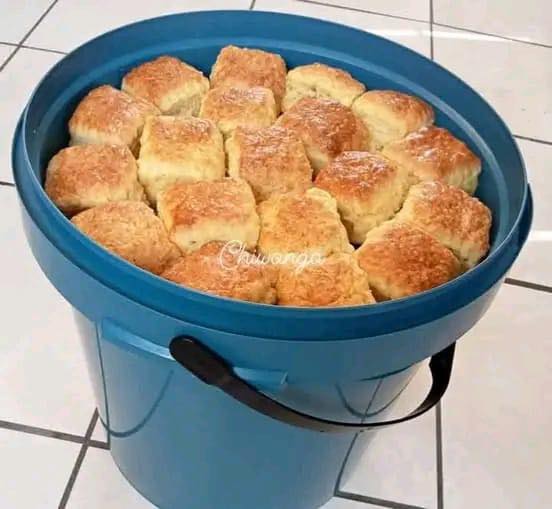
Homemade biscuits are always best enjoyed fresh and warm from the oven, especially when served from their surprise bucket! However, if you find yourself with leftovers (a rare occurrence!), proper storage will help maintain their freshness. Once cooled completely, store biscuits in an airtight container at room temperature for up to 2 days. For longer storage, you can freeze baked biscuits for up to 2-3 months. Wrap them individually in plastic wrap, then place them in a freezer-safe bag or container.
To reheat biscuits, there are a few excellent methods. For best results, preheat your oven to 350°F (175°C). If reheating from room temperature, place biscuits directly on a baking sheet and heat for 5-7 minutes, or until warmed through. If reheating from frozen, you can place them directly on a baking sheet (no need to thaw) and bake for 15-20 minutes, or until hot and tender. You can also lightly tent them with foil to prevent over-browning. For a quick reheat, you can use a toaster oven for a few minutes. While not ideal for texture, a microwave can also warm a biscuit in 15-30 seconds, but it may result in a softer, less crisp exterior. Always aim to reheat gently to prevent them from drying out.
Frequently Asked Questions
Why are my biscuits tough?
Tough biscuits are almost always a result of overmixing the dough. When you overmix, you develop the gluten in the flour too much, which makes the biscuits dense and chewy instead of light and flaky. Remember to mix just until the ingredients are combined and the dough is shaggy.
Can I make biscuit dough ahead of time?
While fresh is best, you can prepare biscuit dough ahead of time. Once you’ve cut the biscuits, place them on a parchment-lined baking sheet and cover tightly with plastic wrap. Refrigerate for up to 24 hours. You can bake them straight from the fridge, adding a minute or two to the baking time. For longer storage, freeze the cut biscuits on a baking sheet until solid, then transfer to a freezer-safe bag. Bake from frozen, adding about 5-8 minutes to the baking time.
What’s the secret to flaky layers?
The secret lies in two things: very cold butter and minimal handling. The cold butter melts slowly in the oven, releasing steam that creates pockets and layers. Also, gently folding the dough a few times before cutting helps create additional layers without overworking it. Avoid twisting your biscuit cutter, as this can seal the edges and prevent the layers from rising properly.
Can I use regular milk instead of buttermilk?
Yes, you can! If you don’t have buttermilk, you can easily make a substitute. For every cup of regular milk (whole milk works best), add 1 tablespoon of lemon juice or white vinegar. Stir gently and let it sit for 5-10 minutes until it slightly curdles. This acidified milk will react with the baking soda in the recipe, providing the necessary leavening for light, fluffy biscuits.
ADVERTISEMENT
