
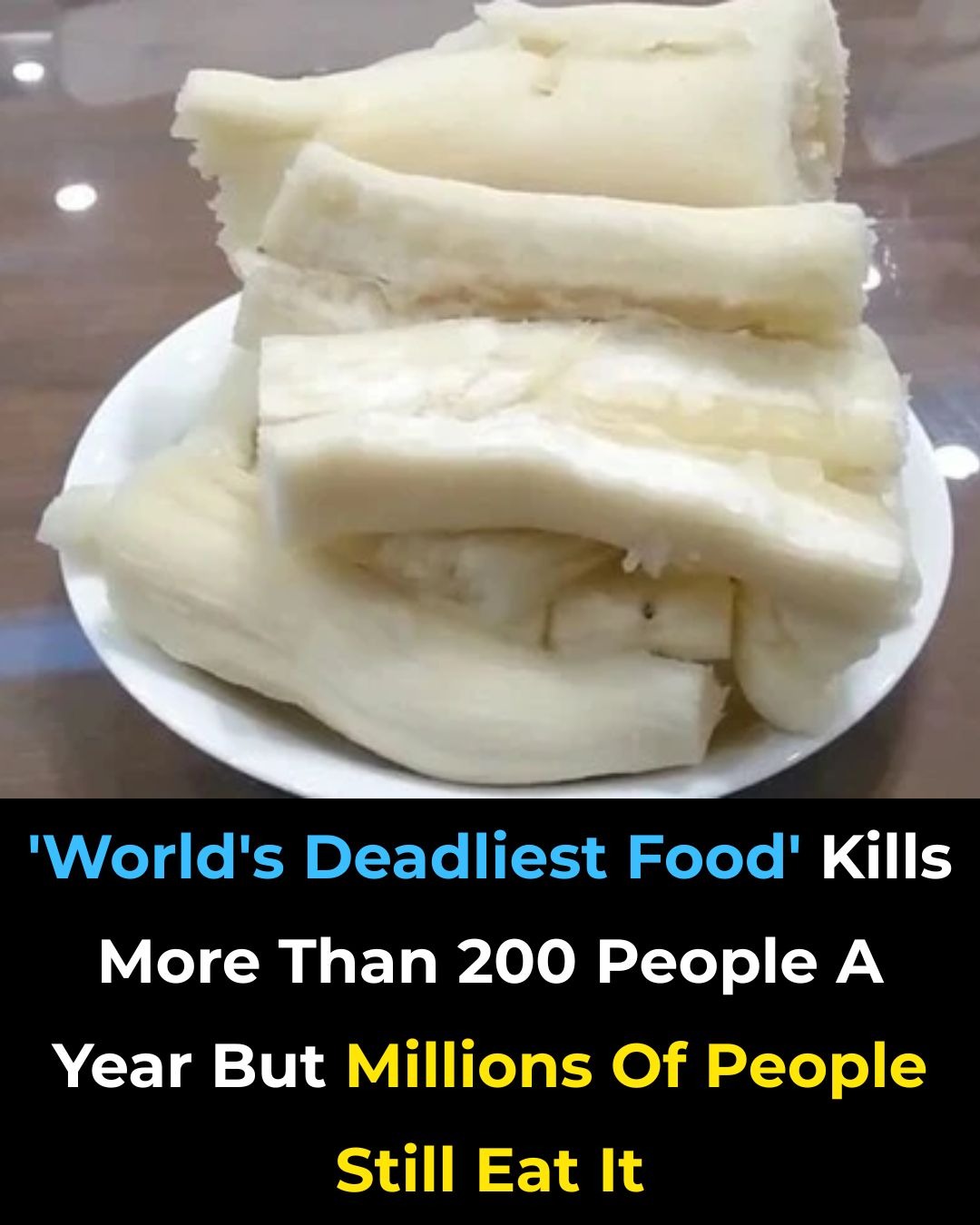
Fact
Detail
Scientific name
Manihot esculenta
Also known as
Yuca (not to be confused with yucca), manioc, tapioca root
Origin
South America (Brazil, Paraguay)
Global production
~300 million tons annually
Primary consumers
Sub-Saharan Africa, Southeast Asia, Latin America
Key nutrients
Carbohydrates, vitamin C, folate, manganese, fiber
Why Is Cassava So Important?
Cassava isn’t just food—it’s food security.
Benefit
Why It Matters
Drought-tolerant
Grows in poor soil with minimal rain—critical in climate-vulnerable regions
High-yield
Produces more calories per acre than most grains
Year-round harvest
Can be left in ground until needed, acting as a “living pantry”
Versatile
Eaten boiled, fried, fermented, dried, or ground into flour
Gluten-free
Safe for people with celiac disease or gluten sensitivity
🌍 Key insight: For millions facing poverty, conflict, or climate instability, cassava isn’t a luxury—it’s survival.
☠️ The Hidden Danger: Cyanide in Cassava
What Are Cyanogenic Glucosides?
Cassava plants produce natural compounds called cyanogenic glucosides (primarily linamarin and lotaustralin) as a defense against pests and animals. When plant cells are damaged (by cutting, chewing, or crushing), enzymes break these compounds down, releasing **hydrogen cyanide **(HCN)—a potent toxin.
Cassava Type
Cyanide Potential
Typical Use
“Sweet” cassava
Low (20–50 mg HCN/kg fresh weight)
Boiled, fried; requires minimal processing
“Bitter” cassava
High (up to 400 mg HCN/kg fresh weight)
Must be extensively processed; often used for flour, starch, or fermented products
🧪 Science note: Cyanide blocks cellular respiration—preventing cells from using oxygen. Acute poisoning can cause headache, dizziness, vomiting, seizures, coma, or death.
Who Is Most at Risk?
Group
Why Vulnerable
Communities in famine or conflict
May skip time-intensive preparation steps to eat quickly
People with low-protein diets
Protein helps the body detoxify cyanide; deficiency increases risk
Children and pregnant women
More sensitive to toxins; higher metabolic demands
Those unfamiliar with traditional methods
May not know proper soaking, fermenting, or cooking techniques
🩺 Health Consequences of Improper Cassava Preparation
Acute Cyanide Poisoning
Symptoms
Onset
Severity
Headache, dizziness, nausea
Minutes to hours
Mild to moderate
Rapid breathing, confusion, seizures
1–6 hours
Severe; requires emergency care
Coma, respiratory failure
Within hours
Potentially fatal
**Chronic Conditions: Konzo and Tropical Ataxic Neuropathy **(TAN)
Condition
Cause
Symptoms
Outcome
Konzo
High cyanide exposure + low protein/sulfur intake
Sudden, irreversible paralysis of legs; difficulty walking
Permanent disability; most common in children and women of childbearing age
**Tropical Ataxic Neuropathy **(TAN)
Long-term moderate cyanide exposure
Numbness, weakness, vision/hearing loss, difficulty coordinating movement
Progressive disability; often affects older adults
For Complete Cooking STEPS Please Head On Over To Next Page Or Open button (>) and don’t forget to SHARE with your Facebook friends
ADVERTISEMENT
