
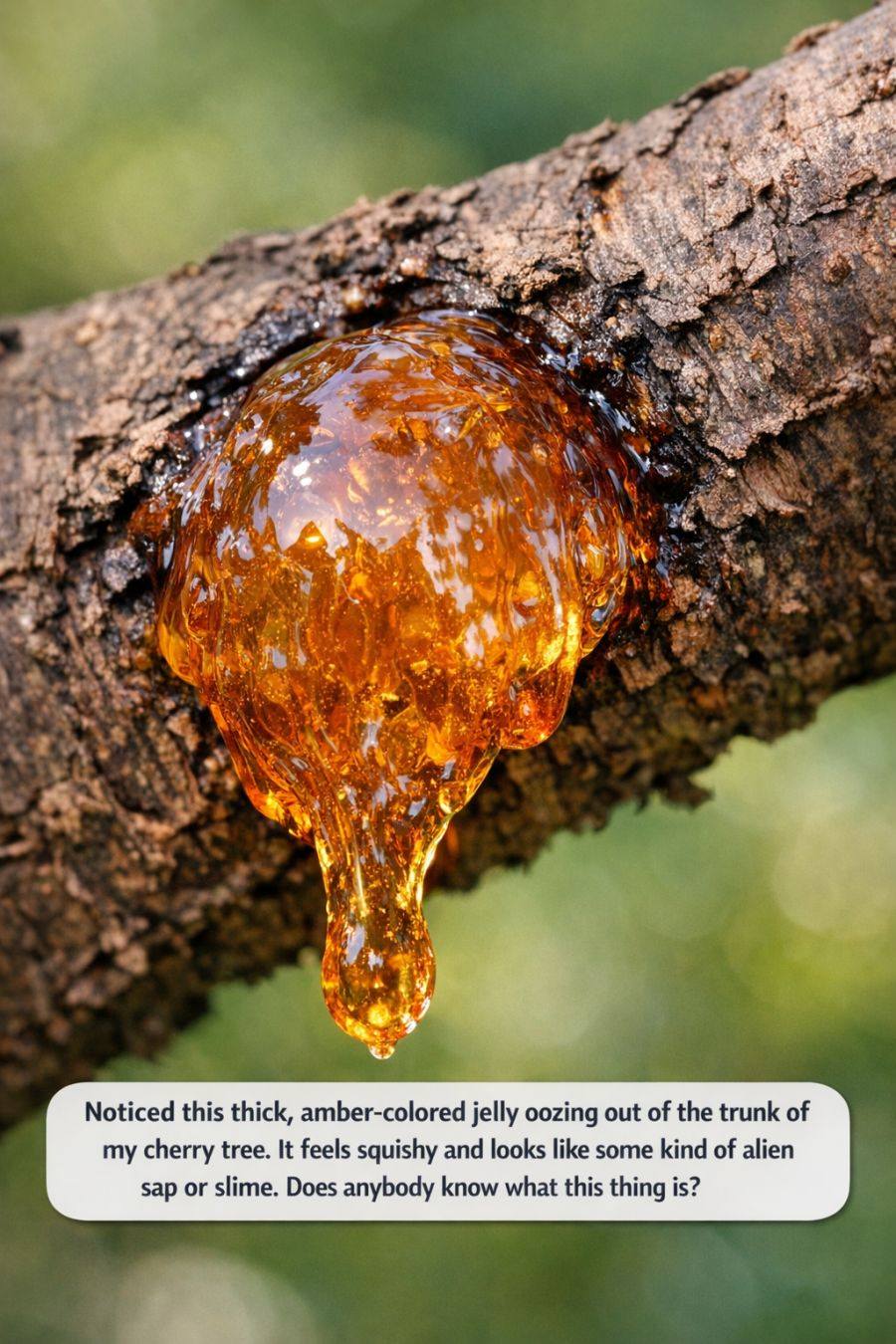
4. Fungal and Bacterial Culprits Behind Cherry Tree Gummosis
Pathogens are another common cause of gummosis. Fungal infections such as Cytospora canker can invade the tree through wounds or natural openings in the bark, leading to gumming. These fungi thrive in wet conditions and can be exacerbated by poor air circulation around the tree.
Bacterial canker, caused by the bacterium Pseudomonas syringae, is another culprit. It typically infects trees during cool, wet conditions and can cause significant gumming. These pathogens weaken the tree and can lead to more serious health issues if not addressed promptly.
5. How to Tell Normal Sap From a Serious Disease Problem
Distinguishing between normal sap flow and a serious disease problem involves examining the context and accompanying symptoms. Normal sap flow can occur during warm weather as part of the tree’s natural processes, particularly in spring and summer.
However, if you notice excessive amounts of sap, discoloration, foul odor, or if the gumming is accompanied by dieback in branches or leaves, it may indicate a disease. It’s also important to check for other signs of distress, such as wilting leaves or unusual growth patterns, which can help in diagnosing the problem accurately.
6. Other Signs to Check for on the Bark, Leaves, and Fruit
Aside from the gumming, inspect the tree’s bark for cracks, cankers, or discoloration, which might suggest disease presence. Leaves that are yellowing, wilting, or have spots could indicate nutritional deficiencies or fungal infections.
Examine the fruit for signs of rot or blemishes, as these can also point to underlying health issues. Consistent monitoring can help you catch problems early before they become severe, allowing for timely intervention and treatment.
7. When Gummosis Is Harmless—and When It’s a Red Flag
Gummosis can be harmless when it’s minimal and occurs in isolation without other symptoms of distress. In such cases, it might simply be a response to minor injuries or natural sap flow during certain seasons.
However, if gummosis is extensive and accompanied by other signs like dieback, cankers, or poor growth, it could be a red flag indicating more serious issues. Persistent gumming, especially with no obvious cause, may warrant further investigation or professional advice.
8. Step-By-Step Actions to Treat and Limit Existing Gummosis
To treat and limit gummosis, first identify and address the underlying cause. If mechanical damage is the issue, ensure that all pruning is done with clean, sharp tools and during the appropriate season to minimize stress.
Improve environmental conditions by adjusting watering practices and ensuring proper soil drainage. Applying mulch can help retain moisture and regulate soil temperature. If a fungal or bacterial infection is suspected, consider using appropriate fungicides or bactericides, following all label instructions carefully.
For Complete Cooking STEPS Please Head On Over To Next Page Or Open button (>) and don’t forget to SHARE with your Facebook friends
ADVERTISEMENT
