
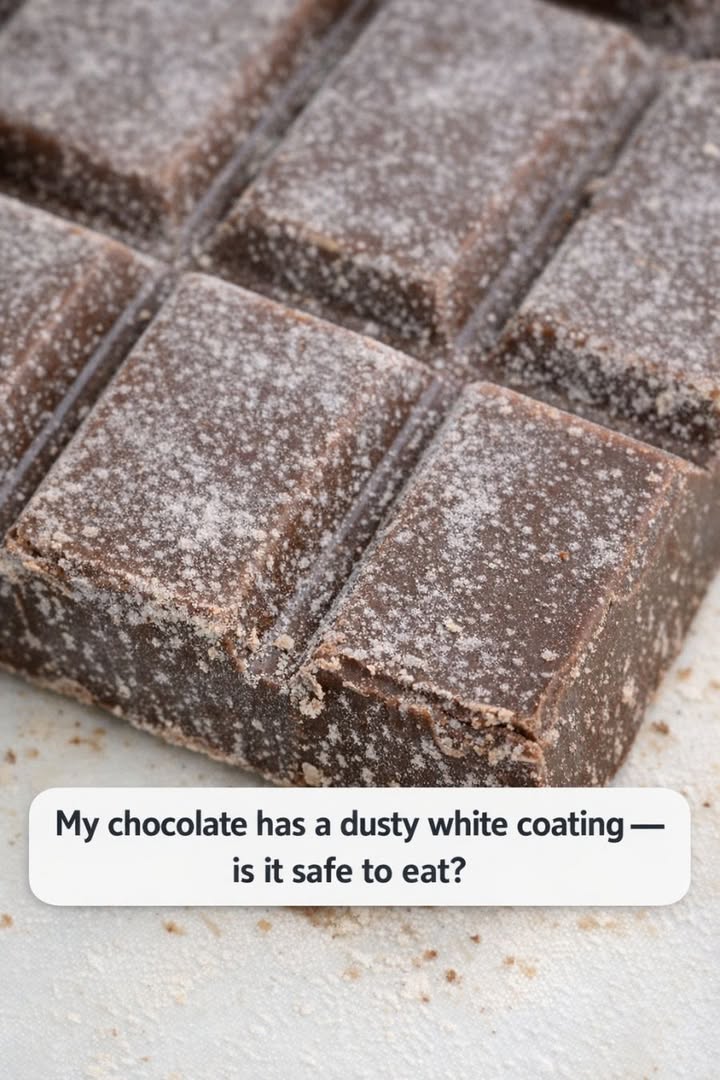
8. Storage Hacks to Prevent Chocolate Bloom in the First Place
To prevent chocolate bloom, store chocolate in a cool, dry place away from direct sunlight and heat sources. Ideally, chocolate should be kept at a consistent temperature between 15-18°C (59-64°F) with a humidity level below 50%.
Avoid storing chocolate in the refrigerator unless absolutely necessary, as the moisture can lead to sugar bloom. If you need to refrigerate chocolate, wrap it tightly in plastic wrap or an airtight container to minimize moisture exposure. When removing chocolate from the refrigerator, allow it to come to room temperature before unwrapping to prevent condensation.
9. Does Bloom Change Chocolate’s Nutrition or Shelf Life?
Bloom does not significantly alter the nutritional value of chocolate. The primary components of chocolate, such as cocoa solids, sugar, and milk, remain unchanged. However, bloom can affect the perceived quality and texture, which might influence how much you enjoy it.
In terms of shelf life, bloom does not necessarily shorten the time chocolate remains safe to eat. Chocolate can last for several months to a year if stored properly, even with bloom. However, if chocolate has been exposed to extreme temperature fluctuations or high humidity, it might deteriorate faster, so it’s always good to perform a smell and taste test before consuming.
10. When You Should Definitely Throw Chocolate Away
While bloom itself is not a reason to discard chocolate, there are certain signs that indicate chocolate should not be consumed. If chocolate has a rancid or off smell, visible mold, or an unusual taste, it should be thrown away. These signs suggest that the chocolate may have been contaminated or spoiled.
Additionally, if the chocolate has been stored in unsanitary conditions or has come into contact with potential allergens or contaminants, it’s best to err on the side of caution and discard it.
11. What Chefs and Chocolatiers Really Do With Bloomed Chocolate
Professional chefs and chocolatiers often have techniques to deal with bloomed chocolate, ensuring that it doesn’t go to waste. When chocolate blooms, they may remelt and re-temper it, especially if the chocolate is of high quality and worth salvaging. Re-tempering can restore the chocolate’s original luster and texture, making it suitable for use in fine chocolate work.
In cases where re-tempering isn’t practical, bloomed chocolate can be repurposed in recipes where appearance is less important, such as in baking, making sauces, or incorporating it into fillings. By doing so, chefs and chocolatiers minimize waste while still delivering delicious creations.
ADVERTISEMENT
