
But in the context of washing clothes, it has properties that make it useful for restoring brightness:
It helps dissolve residue left by detergents and softeners
It can break down mineral deposits from hard water
It assists in removing lingering odors
It helps fabrics rinse more cleanly
Used properly, it doesn’t leave a strong smell behind. Once the wash cycle is complete and clothes are dry, the scent disappears.
How to Use Vinegar in Your Laundry
There are a few simple ways to incorporate vinegar into your routine.
1. Add It to the Rinse Cycle
The most common method is to add about half a cup of white vinegar during the rinse cycle.
If your washing machine has a fabric softener compartment, you can pour it there.
This allows the vinegar to:
Rinse out detergent residue
Soften fabrics naturally
Improve overall freshness
2. Pre-Soak for Dull Whites
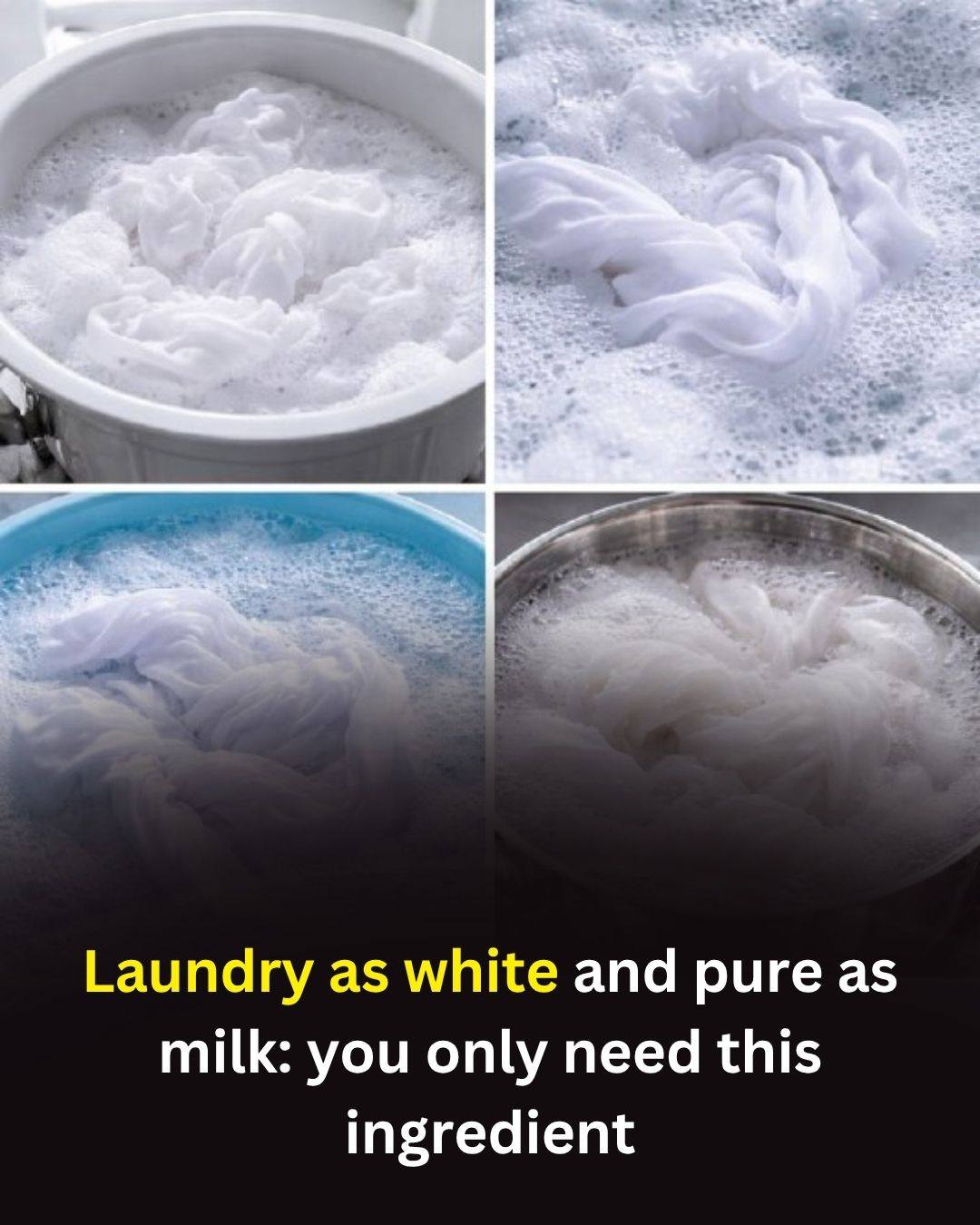
If your whites are already looking noticeably dull, a pre-soak can help.
Mix:
Warm water
About one cup of white vinegar
Let your clothes soak for 30–60 minutes before washing as usual.
This helps loosen buildup before the main wash begins.
3. Combine With Regular Detergent (Carefully)
You can use vinegar alongside your regular detergent—but not at the exact same moment.
It’s best to:
Use detergent during the wash cycle
Add vinegar during the rinse cycle
This prevents the two from interfering with each other’s effectiveness.
What Vinegar Does (and Doesn’t Do)
It’s important to be clear about expectations.
Vinegar is not a bleach substitute. It won’t dramatically whiten heavily stained clothes in a single wash.
What it does is:
Remove buildup
Restore natural brightness
Improve the overall appearance of fabrics
Think of it as a reset rather than a quick fix.
Other Helpful Habits for Brighter Whites
While vinegar can make a noticeable difference, it works best as part of a broader routine.
Separate Whites Properly
Always wash whites separately from colored fabrics to avoid color transfer.
Use the Right Amount of Detergent
Too much detergent can leave residue behind, making clothes look dull.
Avoid Overloading the Machine
Clothes need space to move so they can rinse properly.
Choose the Right Water Temperature
Warm or hot water (when safe for the fabric) helps remove oils and buildup more effectively.
Dry in Sunlight When Possible
Natural sunlight can help brighten fabrics over time.
Common Mistakes to Avoid
Even simple methods can go wrong if misused.
Using Too Much Vinegar
More isn’t always better. Stick to moderate amounts to avoid unnecessary wear on fabrics or machine components.
For Complete Cooking STEPS Please Head On Over To Next Page Or Open button (>) and don’t forget to SHARE with your Facebook friends
ADVERTISEMENT
