
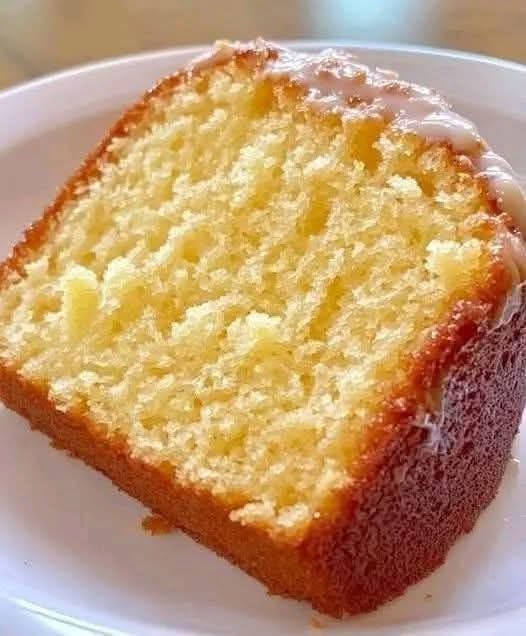
To prevent your cake from sticking, after thoroughly greasing and flouring your Bundt pan, consider adding a thin layer of fine breadcrumbs or finely ground nuts instead of just flour. This creates an extra barrier and often facilitates an easier release. When testing for doneness, a wooden skewer should come out with a few moist crumbs attached, not wet batter. If it’s completely clean, the cake might be slightly overbaked. Remember, the cake will continue to cook slightly from its residual heat after being removed from the oven. For easy slicing and to maintain its beautiful structure, always allow the cake to cool completely before cutting into it. If you try to slice it warm, it may crumble and stick to the knife.
Beyond the classic, there are delightful variations to explore. For a brighter, zesty flavor, add 1-2 tablespoons of fresh lemon or orange zest to the batter along with the vanilla extract. The citrus complements the buttery richness beautifully. You can also experiment with different extracts; try almond extract for a subtle nutty note, or switch to a high-quality vanilla bean paste for a more intense vanilla flavor. For added texture and a delicious crunch, fold in ½ to 1 cup of chopped pecans or walnuts into the batter just before pouring it into the pan. If you’re feeling extra indulgent, consider a simple powdered sugar glaze made with powdered sugar and a touch of milk or lemon juice, drizzled over the cooled cake. For a creamier finish, a light cream cheese glaze would also be divine, providing a slight tang to balance the sweetness.
Storage and Reheating
Proper storage is key to keeping your Kentucky Butter Cake moist and delicious for days. Once the cake has completely cooled, store it at room temperature in an airtight container. A cake dome or a large container with a tight-fitting lid works perfectly. This prevents the cake from drying out and keeps it fresh for up to 3-4 days. If your kitchen is particularly warm or humid, or if you plan to keep the cake longer, you can store it in the refrigerator for up to a week. However, be aware that refrigeration can sometimes alter the texture slightly, making it a bit denser. To counteract this, simply bring refrigerated cake back to room temperature before serving for the best flavor and texture.
For longer storage, Kentucky Butter Cake freezes exceptionally well. Once the cake is completely cool, wrap individual slices or the entire cake tightly in plastic wrap, then an additional layer of aluminum foil. This double-layer protection helps prevent freezer burn. Label with the date and freeze for up to 2-3 months. To thaw, simply unwrap the frozen cake or slices and let them sit at room temperature for several hours or overnight until fully defrosted. Avoid thawing in the microwave, as this can make the cake rubbery.
Reheating this cake isn’t typically necessary as it’s best enjoyed at room temperature. However, if you prefer a slightly warm slice, especially if it’s been refrigerated, you can gently warm individual slices. Place a slice on a microwave-safe plate and microwave for 10-15 seconds, just until slightly warm to the touch. Be careful not to overheat, as this can dry out the cake. Alternatively, you can warm slices in a preheated oven at 250°F (120°C) for about 5-10 minutes, wrapped loosely in foil, until just warm. The warmth can enhance the buttery aroma and make the cake feel even more comforting, but it’s truly delightful at room temperature too.
For Complete Cooking STEPS Please Head On Over To Next Page Or Open button (>) and don’t forget to SHARE with your Facebook friends
ADVERTISEMENT
