
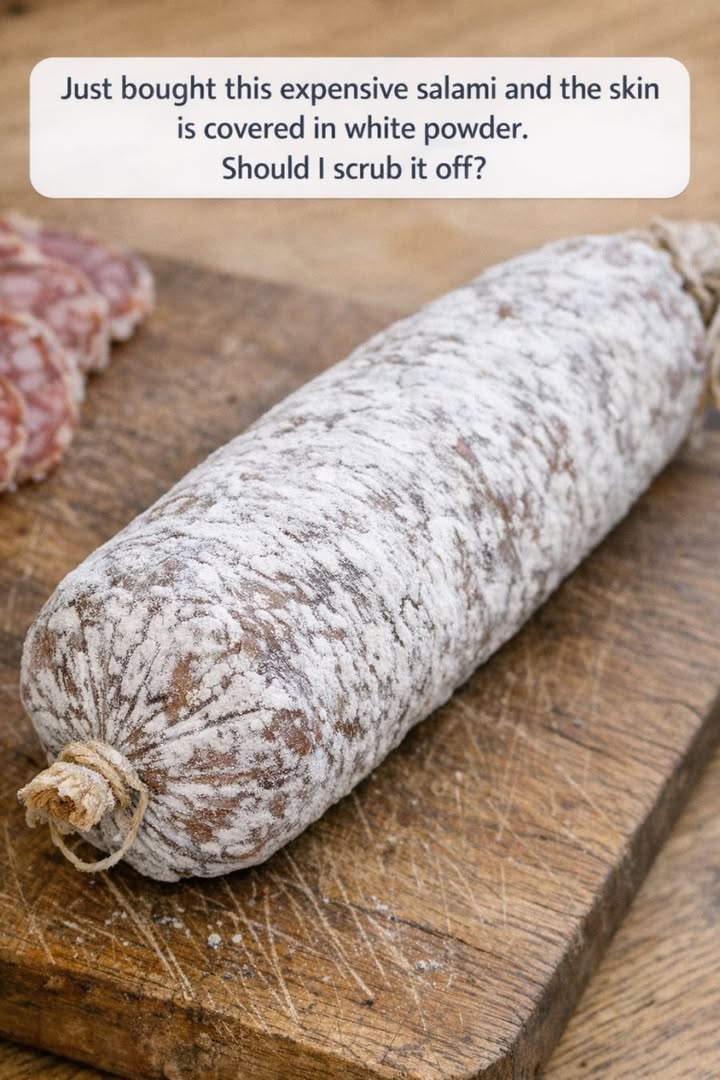
8. Flavor Trade-Offs: Leave the Mold On or Take It Off?
Leaving the mold on the salami can enhance its flavor profile, adding a subtle tanginess and depth that aficionados appreciate. The mold acts as a natural preservative and flavor enhancer, contributing to the overall complexity of the salami.
Removing the mold, on the other hand, results in a cleaner, more straightforward taste. Some people prefer this, especially if they are sensitive to the unique flavors that mold imparts. Ultimately, the decision comes down to personal preference, as both options offer delightful culinary experiences.
9. What Chefs and Charcuterie Makers Recommend
Many chefs and charcuterie makers recommend leaving the mold on the salami, as it is considered an essential part of the curing process. They believe that the mold not only protects the salami but also enhances its flavor by promoting the development of complex, savory notes.
However, some chefs suggest removing the mold for those who prefer a milder taste or have concerns about consuming it. They advise enjoying the salami with or without the mold, encouraging experimentation to discover what suits individual palates best.
10. Storing Your Salami So the Mold Stays Friendly
Proper storage is key to maintaining the quality and safety of your salami. To keep the mold friendly, store the salami in a cool, dry place with good air circulation. Ideally, the temperature should be between 50-60°F (10-15°C), with humidity levels around 70%.
Avoid wrapping the salami in plastic, as this can trap moisture and encourage unwanted mold growth. Instead, use parchment paper or a breathable cloth to allow for proper air circulation. By following these guidelines, you can ensure your salami remains delicious and safe to eat.
11. When in Doubt: Questions to Ask Your Butcher or Maker
If you have any concerns about the white powder on your salami, don’t hesitate to reach out to your butcher or the producer. They can provide insights into the specific curing process used and reassure you about the safety of the product.
Ask about the type of mold or coating employed, any recommended storage methods, and whether the skin is meant to be consumed. These professionals are well-versed in the particulars of charcuterie and can offer valuable advice to enhance your culinary experience.
ADVERTISEMENT
