
Frequently Asked Questions
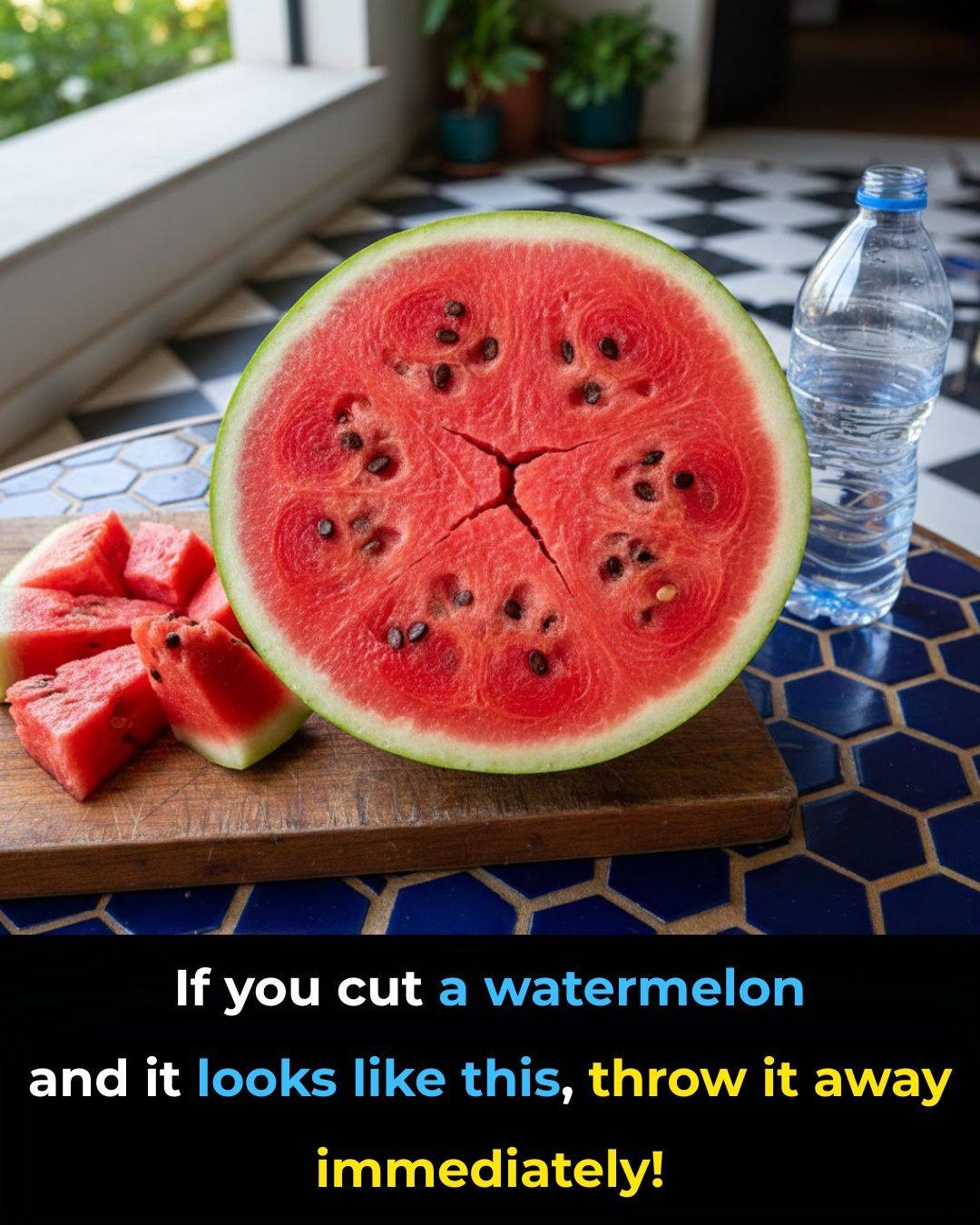
Q: Can I cut off the bad part and eat the rest?
A: It’s not recommended—especially if there’s mold, a sour smell, or slimy texture. Spoilage organisms and their byproducts can spread beyond what’s visible. When in doubt, discard the whole piece.
Q: Is slightly soft watermelon still safe?
A: If it’s only mildly soft but smells fresh, looks vibrant, and tastes sweet, it may still be okay—likely just overripe, not spoiled. Use caution and trust your senses.
Q: What causes watermelon to spoil?
A: Exposure to air, moisture, warmth, and naturally occurring bacteria or mold spores all contribute. Once cut, the fruit’s high water and sugar content create an ideal environment for microbial growth.
Q: Can spoiled watermelon make you sick?
A: Yes. Consuming spoiled fruit can lead to foodborne illness symptoms like stomach cramps, nausea, vomiting, or diarrhea. Vulnerable groups (young children, older adults, pregnant individuals, or those with weakened immune systems) should be especially cautious.
Q: How do I pick a good watermelon at the store?
A: Look for a firm, symmetrical melon with a creamy yellow “field spot” (where it rested on the ground), a dull rather than shiny rind, and a deep, hollow sound when tapped. These signs often indicate ripeness and good internal quality.
Important Considerations: Safety & Health
This article is for informational purposes only and is not a substitute for professional food safety guidance or medical advice.
When handling cut fruit: Always wash hands, use clean knives and cutting boards, and refrigerate promptly to minimize contamination risk.
High-risk groups: Pregnant individuals, young children, older adults, and those with compromised immune systems should exercise extra caution with fresh-cut produce and avoid any fruit showing signs of spoilage.
Individual sensitivity varies: Some people may react to mildly overripe fruit while others tolerate it. Listen to your body and prioritize caution when uncertain.
Watermelon is one of the most refreshing, joyful treats of the season—but only when it’s fresh and safe to eat. Paying attention to small sensory cues like smell, texture, color, and taste can help you avoid spoiled fruit and enjoy every bite with confidence.
When in doubt, remember this simple, life-tested rule:
If it looks off, smells off, or tastes off—throw it out.
Your health is worth far more than a single piece of fruit. And the good news? With a little awareness, you can savor watermelon all season long—safely, deliciously, and without worry.
Have you ever cut into a watermelon that didn’t seem right? Share your experience—your tip might help someone else avoid the same mistake. Because sometimes, the simplest acts of care—like checking before you bite—are the most powerful.
ADVERTISEMENT
