
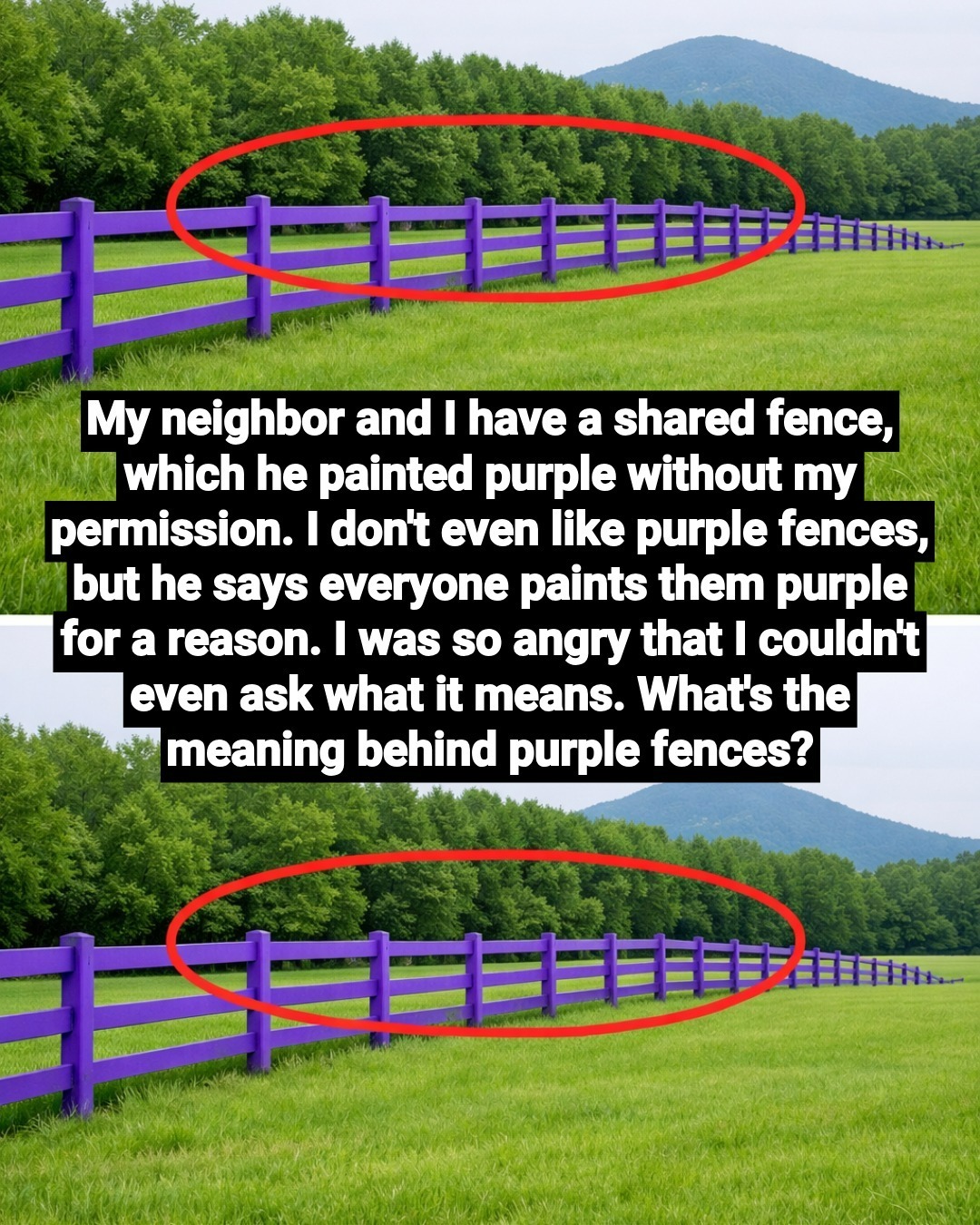
🚶♂️ What Should You Do If You See It?
Stop immediately—you are likely on private land.
Do not take photos, pick flowers, or let pets roam—this is still trespassing.
Retrace your steps to public trails or roads.
When in doubt, assume it’s private—and respect it.
❤️ Remember: Many landowners allow respectful access—but only if you ask first. A quick call or note can open doors (and trails!).
🛑 Common Misconceptions
Myth
Truth
“It’s just a quirky decoration.”
No—it’s a legal boundary marker in most rural states.
“If there’s no ‘No Trespassing’ sign, I’m safe.”
False. Purple paint replaces the need for signs in many states.
“I’m just walking through—no harm done.”
Trespassing is illegal even if you don’t damage anything.
💬 Final Thought: Respect the Land, Respect the Law
That purple stripe isn’t about keeping people out—it’s about protecting livelihoods, wildlife habitats, and family legacies.
Farmers, ranchers, and forest owners work hard to steward their land.
A little paint is their quiet way of saying:
“This is ours. Please honor that.”
So next time you see purple on a fence or tree—don’t wonder.
Turn around. And walk with respect.
🟣 Because the best adventures begin with knowing where you’re welcome.
Found this eye-opening?
👉 Save this guide for your next hike or road trip
👉 Share it with a hiker, hunter, or rural traveler
👉 Comment below: Have you ever seen a purple paint mark?
Disclaimer: Laws vary by state and county. This article is for informational purposes only. Always verify local trespassing regulations before entering rural or wooded areas.
ADVERTISEMENT
