
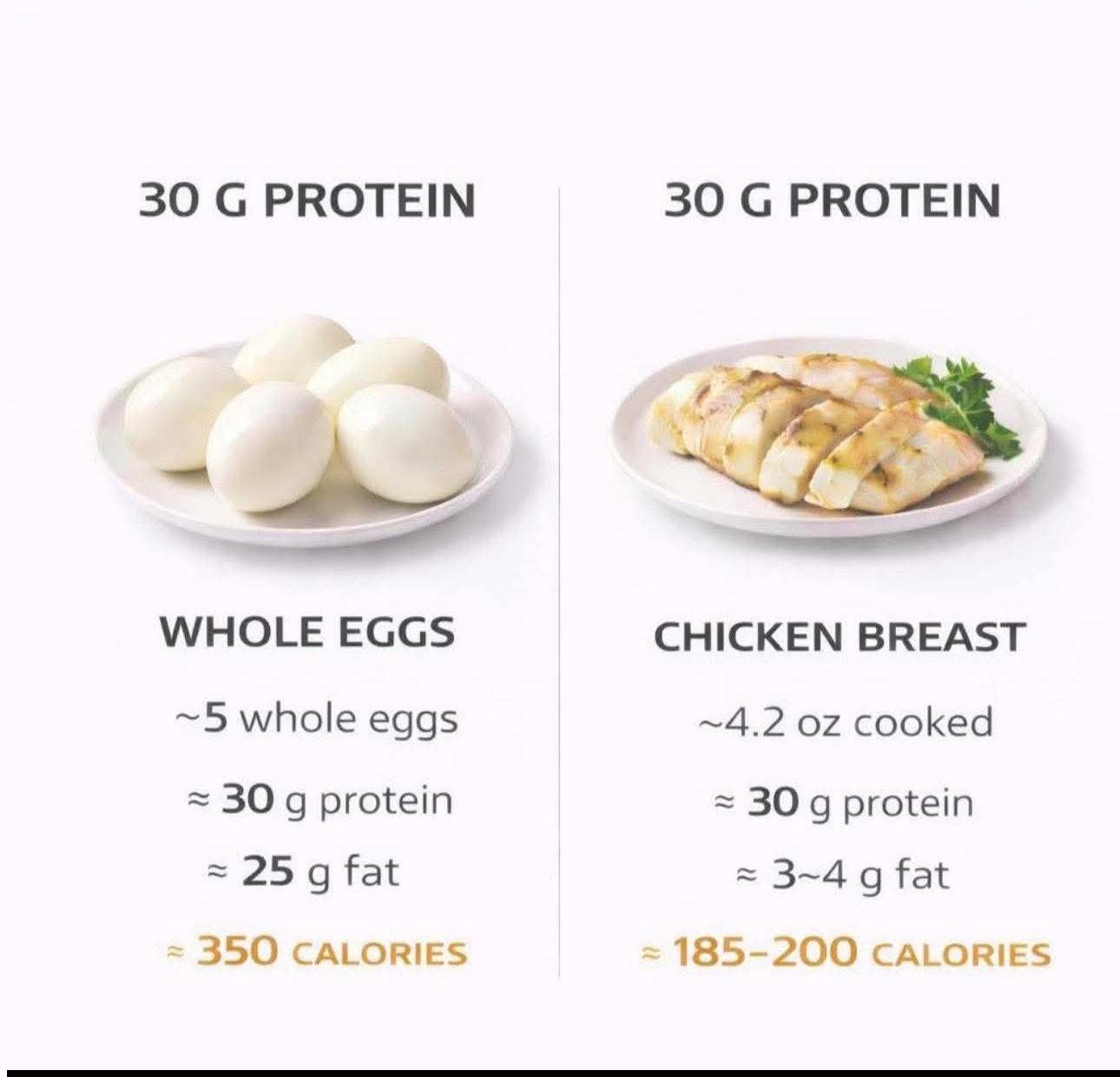
According to the Harvard Medical School, the intake depends on your weight, activity level, and goals! The general rule is 0.8g of protein per kg of body weight (0.36g per pound), so if you weigh 150 lbs (68 kg), you need around 55g daily. But if you’re active or building muscle, you’ll want more—around 20–25g after a workout to maximize muscle growth. Just don’t go overboard—research shows eating more than 40g in one sitting doesn’t give extra benefits.
The key? Spread your protein throughout the day for the best results!
How to Follow a High-Protein Diet?
Embarking on a high-protein diet can be a game-changer for your health and fitness goals. Here’s how to do it right:
Plan Your Meals: Design a weekly meal plan focusing on lean proteins like chicken, fish, tofu, and legumes.
Choose Quality Over Quantity: Opt for high-quality protein sources to ensure you’re getting essential amino acids.
Balance is Key: Pair proteins with whole grains, fruits, and vegetables to keep your meals balanced and nutritious.
Monitor Your Intake: Use a food journal or nutrition app to track your protein consumption and stay on target.
Stay Hydrated: Drinking plenty of water aids digestion and supports kidney function, especially important on a high-protein diet.
Listen to Your Body: Pay attention to how you feel and adjust your protein intake as needed.
Latest Insight: Did you know that insect protein is emerging as a sustainable and nutritious alternative? Recent studies suggest that insect protein can support optimal bone growth and development, offering a promising addition to high-protein diets.
By following these steps and staying informed about new protein sources, you can effectively adopt a high-protein diet that suits your lifestyle and supports your health goals.
What Foods are Highest in Protein?
Incorporating high-protein foods into your diet is essential for building muscle, supporting metabolism, and maintaining overall health. Here’s a curated list of top protein-rich foods to consider:
1. Lean Meats
Chicken Breast: A 100-gram serving provides approximately 22.5 grams of high-quality protein.
Turkey: Cooked turkey breast offers about 25.6 grams of protein per 85-gram serving.
2. Fish and Seafood
Salmon: A single fillet (178 grams) contains around 39.3 grams of protein, along with beneficial omega-3 fatty acids.
Tuna: One can (107 grams) provides about 20.3 grams of protein, making it a convenient pantry staple.
3. Dairy Products
Cottage Cheese: Low-fat cottage cheese offers about 11 grams of protein per 100 grams, making it a versatile
Greek Yogurt: This thick, creamy yogurt is not only delicious but also packs a protein punch, with approximately 10 grams per 100-gram serving.
ADVERTISEMENT
