
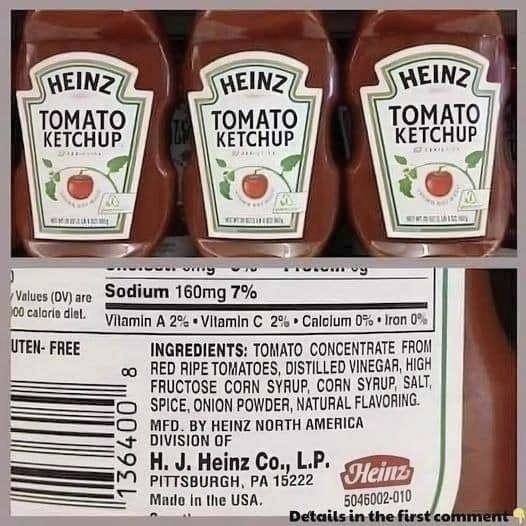
Processing in food can include:
Cooking
Preservation
Blending ingredients for consistency
Extending shelf life
These processes exist to make food safer, more stable, and more convenient.
In the case of ketchup, processing ensures that the product remains safe to eat over long periods without refrigeration before opening.
Context Matters More Than Headlines
When evaluating claims like “avoid Heinz ketchup,” context is essential.
A more balanced way to look at it is:
Is ketchup nutrient-dense? No
Can it be part of a balanced diet? Yes
Is it harmful in small amounts? No evidence suggests that
Should it be eaten in excess? Probably not ideal
This approach is far more useful than absolute statements.
Why People React Strongly to Food Claims
Food is deeply tied to personal habits, culture, and identity. When someone hears that a common product might be “bad,” it can trigger strong reactions because it challenges everyday routines.
This is why food myths spread easily—they connect directly to something people consume regularly.
However, strong reactions do not always equal strong evidence.
The Bottom Line
The claim urging people to “avoid Heinz ketchup like the plague” is more reflective of online exaggeration than scientific consensus.
Heinz ketchup, like most commercial condiments, is:
Safe to consume in normal amounts
Not a health food, but not toxic or dangerous
Best understood in the context of overall diet quality
Often misunderstood due to its sugar content and processing
The real takeaway is not to fear specific products, but to understand how they fit into your broader eating habits.
Instead of focusing on extreme warnings, it’s more helpful to think in terms of balance, moderation, and informed choices.
So rather than avoiding it entirely based on viral claims, the more practical approach is simple: use it mindfully, enjoy it if you like it, and keep your overall diet varied and balanced.
ADVERTISEMENT
