
8. How Salt, Seasonings, and Marinades Affect the Foam
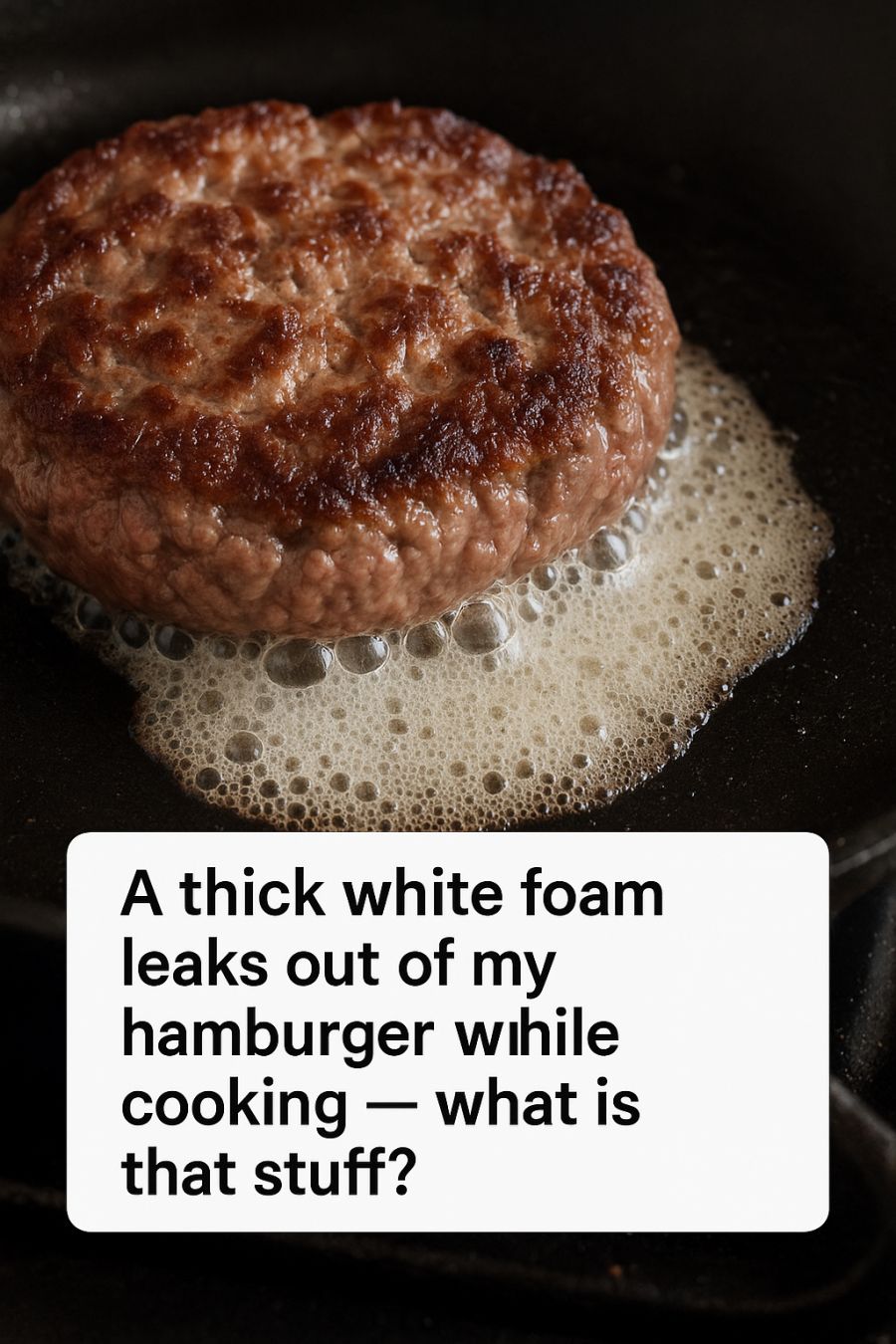
Salt and seasonings can draw out moisture from the meat, which affects the amount of foam. When salt is added to ground beef, it dissolves proteins, making them more soluble in water. This can lead to more foam as the salt draws moisture and proteins to the surface during cooking.
Marinades, especially those containing acids like vinegar or lemon juice, can also break down proteins and increase moisture content, leading to more foam. It’s important to balance the use of salt and marinades to control the amount of foam while still achieving the desired flavor profile.
9. Viral TikTok Burger Hacks: Do They Help or Make It Worse?
Social media platforms like TikTok are full of burger hacks that claim to improve your cooking experience, but not all of them are scientifically sound. Some hacks may suggest methods that inadvertently increase foam production, such as using excessive marinades or overcrowding the pan.
While some tips might be helpful, it’s crucial to understand the underlying science of cooking burgers. For instance, hacks that focus on achieving a good sear or using minimal seasoning can actually help reduce foam. It’s always a good idea to critically evaluate these hacks and understand their impact on the cooking process.
10. Simple Techniques to Reduce or Prevent the White Foam
If the white foam bothers you, there are several techniques you can use to minimize its occurrence. First, ensure your meat is at room temperature before cooking, as this reduces the amount of moisture that will be released. Avoid overcrowding the pan and cook at a high enough temperature to sear the meat quickly.
Using fresh, high-quality meat with minimal additives can also reduce foam. Additionally, patting the meat dry before cooking can help remove excess moisture. If you choose to season your meat, do so just before cooking to prevent excessive moisture release.
11. When the Foam Might Signal a Real Problem With Your Meat
While white foam is usually harmless, there are instances when it could indicate a problem. If the foam has a strange color or odor, it may suggest spoilage or contamination. This is especially true if the meat has been stored improperly or is past its expiration date.
It’s essential to use your senses to evaluate the meat. If you notice any unusual signs, it’s best to discard the meat to avoid potential foodborne illnesses. Ensuring proper storage and handling of meat can help prevent these issues and maintain food safety.
12. What This Gooey Residue Reveals About Your Burger’s Juiciness
The presence of foam can also provide insights into the juiciness of your burger. A juicy burger tends to release more moisture and proteins, which can contribute to foam. While a certain amount of foam is normal, excessive foam might indicate that too much moisture is being expelled, leading to a dry burger.
Balancing the cooking process to retain moisture while minimizing foam can result in a juicy, flavorful burger. Understanding the relationship between foam and juiciness can guide you in adjusting your cooking technique to achieve the perfect burger every time.
ADVERTISEMENT
