
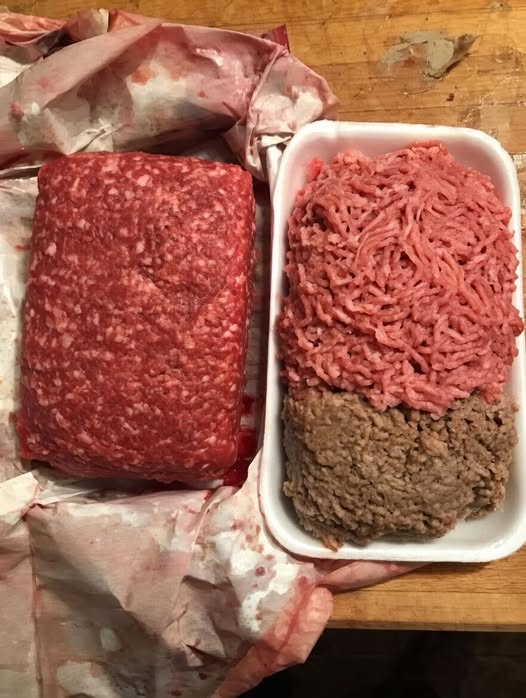
When it comes to the food on your plate, not all beef is created equal. The glossy packaging and tidy presentation at your local supermarket may make everything look fresh and premium—but behind that label, the reality often tells a different story. Understanding the difference between store-bought and farm-raised beef isn’t just about taste or quality; it’s about health, transparency, and the impact your choices have on your body and the planet.
Let’s pull back the curtain on what’s really happening to the meat you bring home—and why “farm-raised” often means far more than just a marketing phrase.
1. Quality and Taste: The Hidden Price of Convenience
Farm-raised beef—especially from small, local farms—usually comes from cattle raised in open pastures. These animals are typically grass-fed or grain-finished, meaning their diet is balanced, and their lifestyle allows for natural movement and stress-free growth. The result? Beef that’s rich in flavor, dense in nutrients, and textured with authentic marbling that develops naturally, not artificially.
Supermarket beef, on the other hand, often originates from large industrial feedlots known as CAFOs (Concentrated Animal Feeding Operations). In these facilities, cattle are confined to small areas and fed high-calorie grain diets—mainly corn and soy—to speed up weight gain. While this process keeps prices low and production high, it sacrifices both quality and ethics. The meat may look uniform and bright red, but its flavor is often flat, and its nutritional value reduced.
The truth is, that “fresh” look on store shelves is often a product of gases like carbon monoxide used in modified-atmosphere packaging to preserve color. So while the beef appears red and appealing, it may have been packaged weeks earlier. Farm-raised beef, by contrast, doesn’t need those tricks—it tastes fresh because it is fresh.
2. Nutritional Differences That Impact Your Health
The diet and environment of cattle dramatically influence the meat’s nutritional profile. Grass-fed, pasture-raised beef is typically lower in total fat but higher in beneficial nutrients. Studies show it contains:
Up to five times more omega-3 fatty acids, which reduce inflammation and support heart health.
Higher levels of conjugated linoleic acid (CLA), a fat associated with better metabolism and lower risks of certain cancers.
Greater concentrations of vitamins A, E, and antioxidants like glutathione and superoxide dismutase, which combat oxidative stress.
Feedlot beef, in contrast, tends to be higher in omega-6 fatty acids, which in excess can contribute to inflammation and chronic disease. The imbalance between omega-3 and omega-6 is one reason many health experts encourage consumers to seek out grass-fed meat whenever possible.
Moreover, farm-raised beef usually comes from animals raised without unnecessary antibiotics or growth hormones—common in industrial operations to promote faster weight gain and prevent disease in crowded conditions. Overuse of these drugs doesn’t just affect the cattle; it contributes to antibiotic resistance in humans, a growing global health crisis.
For Complete Cooking STEPS Please Head On Over To Next Page Or Open button (>) and don’t forget to SHARE with your Facebook friends
ADVERTISEMENT
