
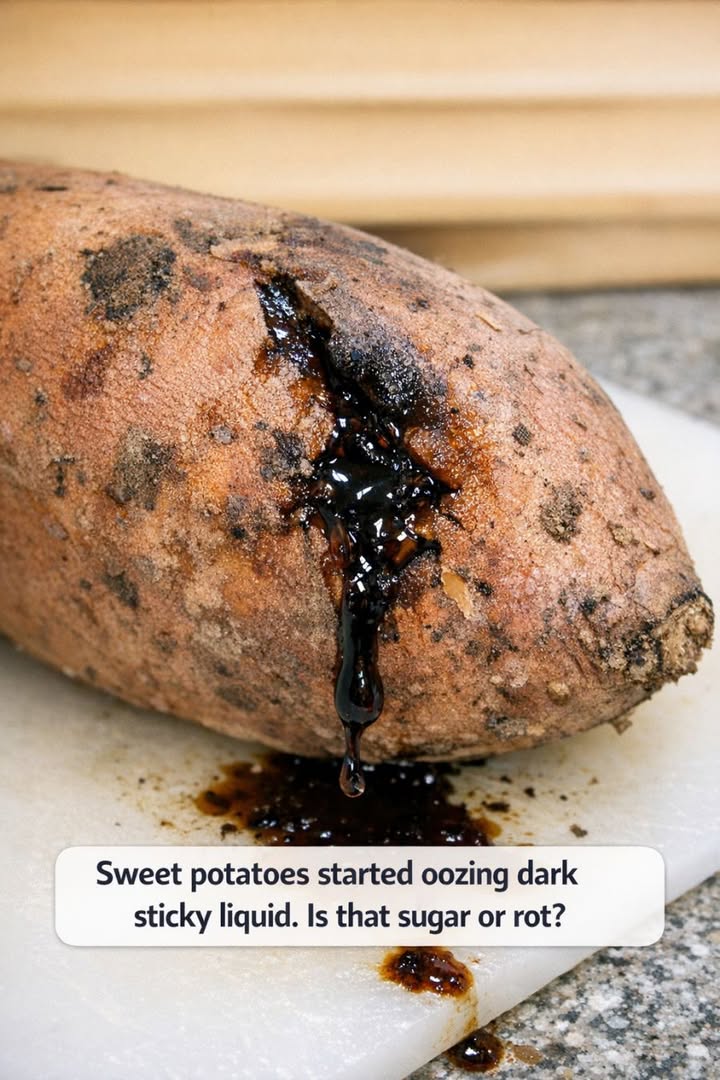
Sweet potatoes, with their vibrant orange flesh and rich, earthy sweetness, are a beloved staple in many kitchens worldwide. They’re not only versatile and delicious but also packed with nutrients, making them a popular choice for health-conscious individuals. However, like any fresh produce, sweet potatoes have their quirks, one of which is the occasional appearance of a dark, sticky liquid seeping from their skin. This phenomenon can be perplexing and even concerning for those unfamiliar with it.
Understanding whether this ooze is a benign sign of natural sugar release or an indication of spoilage is crucial for both food safety and culinary enjoyment. In this article, we delve into the reasons behind this sticky situation, offering insights and practical advice for handling sweet potatoes that have begun to exude this mysterious liquid.
1. Why Sweet Potatoes Sometimes Ooze a Dark, Sticky Liquid
The dark, sticky liquid that sometimes appears on sweet potatoes is primarily due to the breakdown of sugars within the tuber. Sweet potatoes are rich in natural sugars, and under certain conditions, these sugars can seep out. This can occur when sweet potatoes are stored in warm or humid environments, which can accelerate the breakdown process.
During storage, enzymatic activity can cause the carbohydrates in sweet potatoes to convert into simple sugars. This process is similar to how bananas ripen and become sweeter over time. When sweet potatoes are cut, bruised, or subjected to pressure, these sugars can escape, mixing with moisture and creating a sticky syrup-like substance on the surface.
2. When the Ooze Is Just Natural Sugar Seeping Out
When the sticky liquid is primarily composed of natural sugars, it is generally harmless and is simply a sign of the sweet potato’s sugars becoming more concentrated. This is often the case when the liquid is light in color and has a sweet aroma. The occurrence is also more common in sweet potatoes that have been stored for extended periods, allowing time for the sugars to develop and then seep out.
In these instances, the sweet potatoes are still safe to eat. The liquid can even contribute to a richer flavor when cooked, as the caramelized sugars enhance the natural sweetness of the dish. To minimize this oozing, ensure that sweet potatoes are stored in a cool, dry place, ideally at temperatures between 55°F to 60°F (13°C to 16°C).
3. Visual Clues: What Safe Sugar Syrup Looks Like
Safe sugar syrup exuding from sweet potatoes will typically appear as a clear to amber-colored liquid. It should be relatively thin and sticky, similar to honey. If you notice the syrup is dark but still clear, it may have simply started to caramelize, which is a harmless process.
In contrast, if the liquid is opaque, has a cloudy appearance, or shows signs of mold, it may indicate spoilage. Additionally, check for any unusual colors, such as green or blue, which can suggest the presence of mold or bacterial growth.
For Complete Cooking STEPS Please Head On Over To Next Page Or Open button (>) and don’t forget to SHARE with your Facebook friends
ADVERTISEMENT
